Paleophilatelie.eu
is a focal point
between Paleontology and Philately
|
![]() |
![]() |
|
|
|
Above:
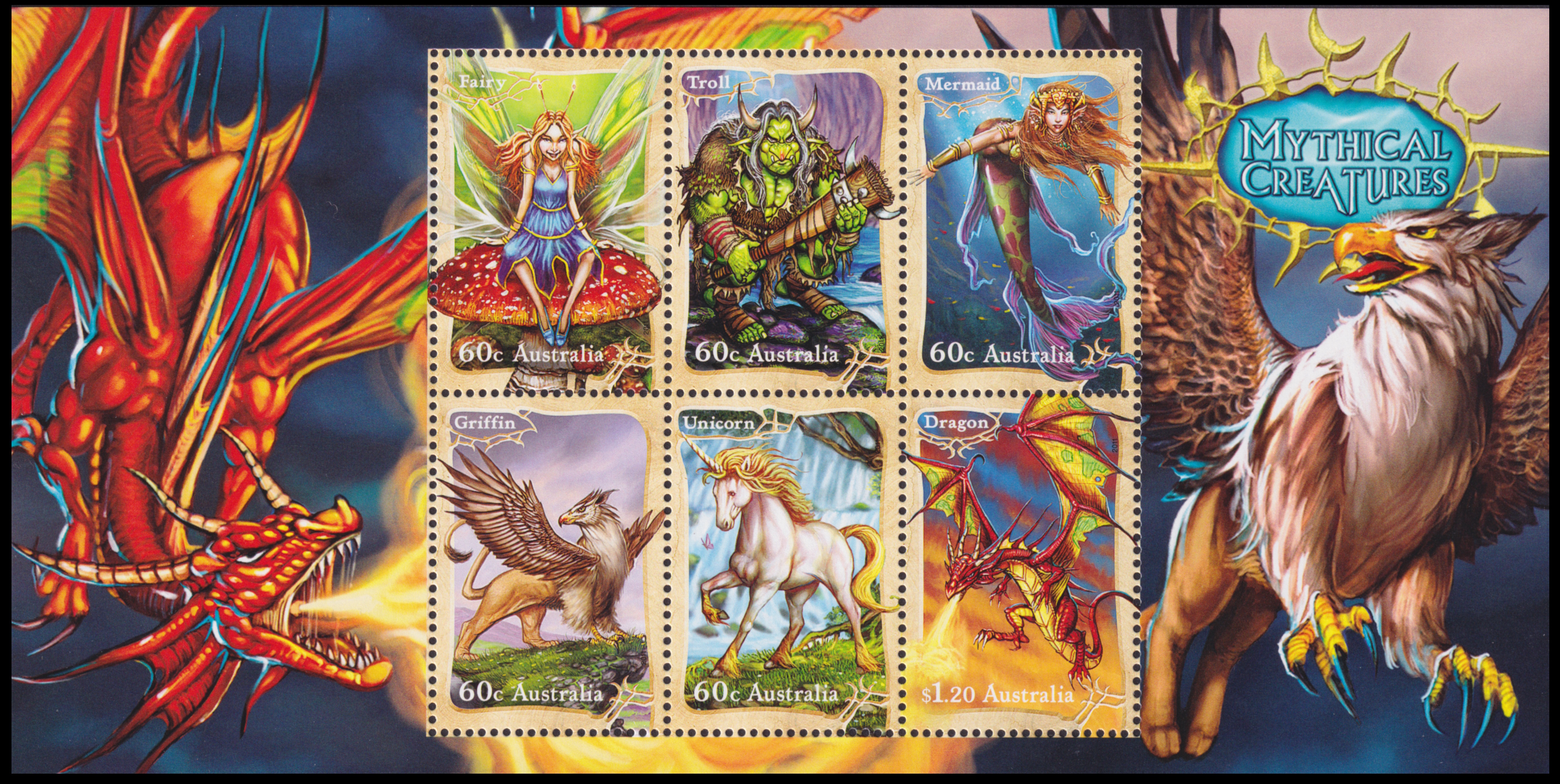
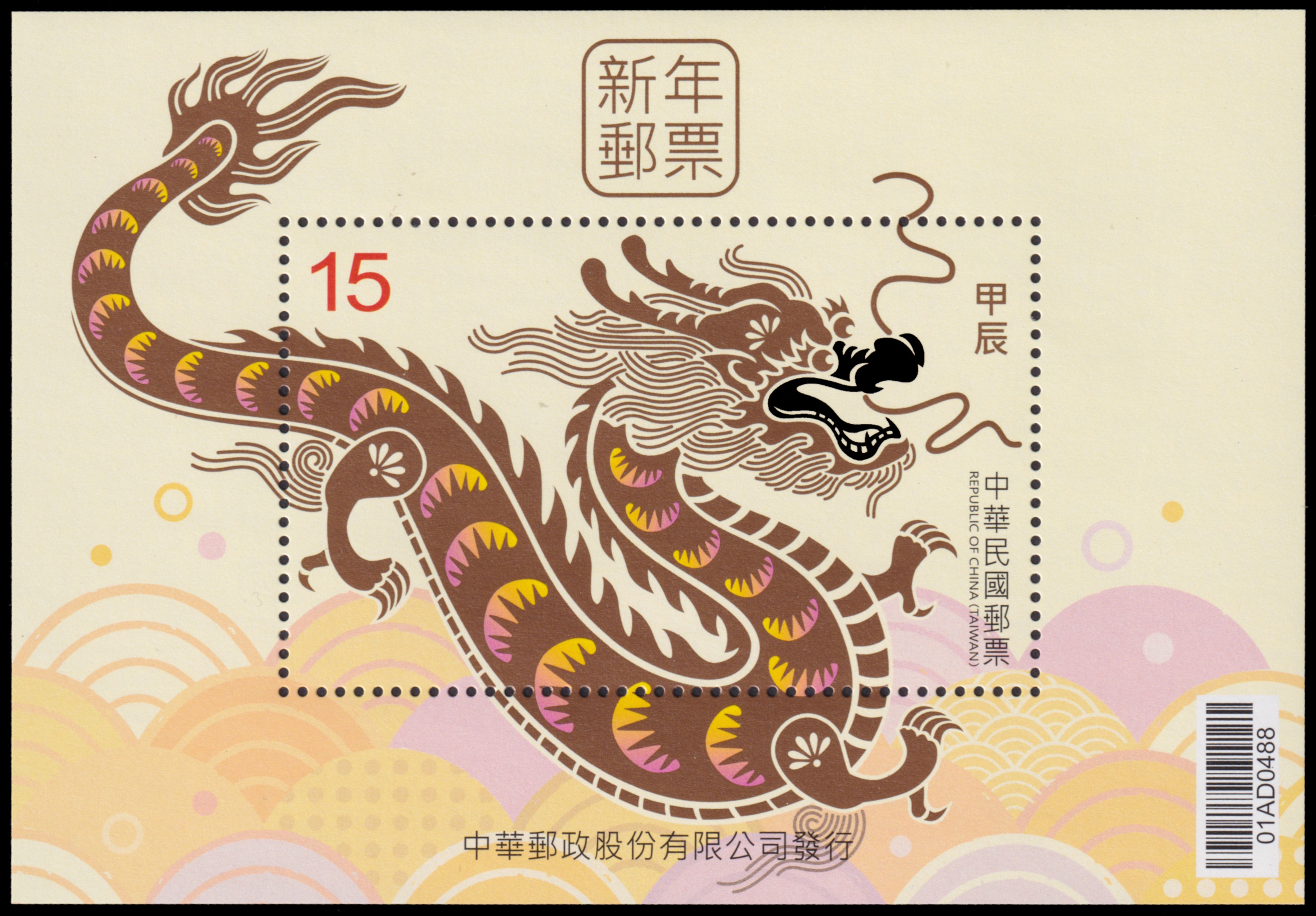
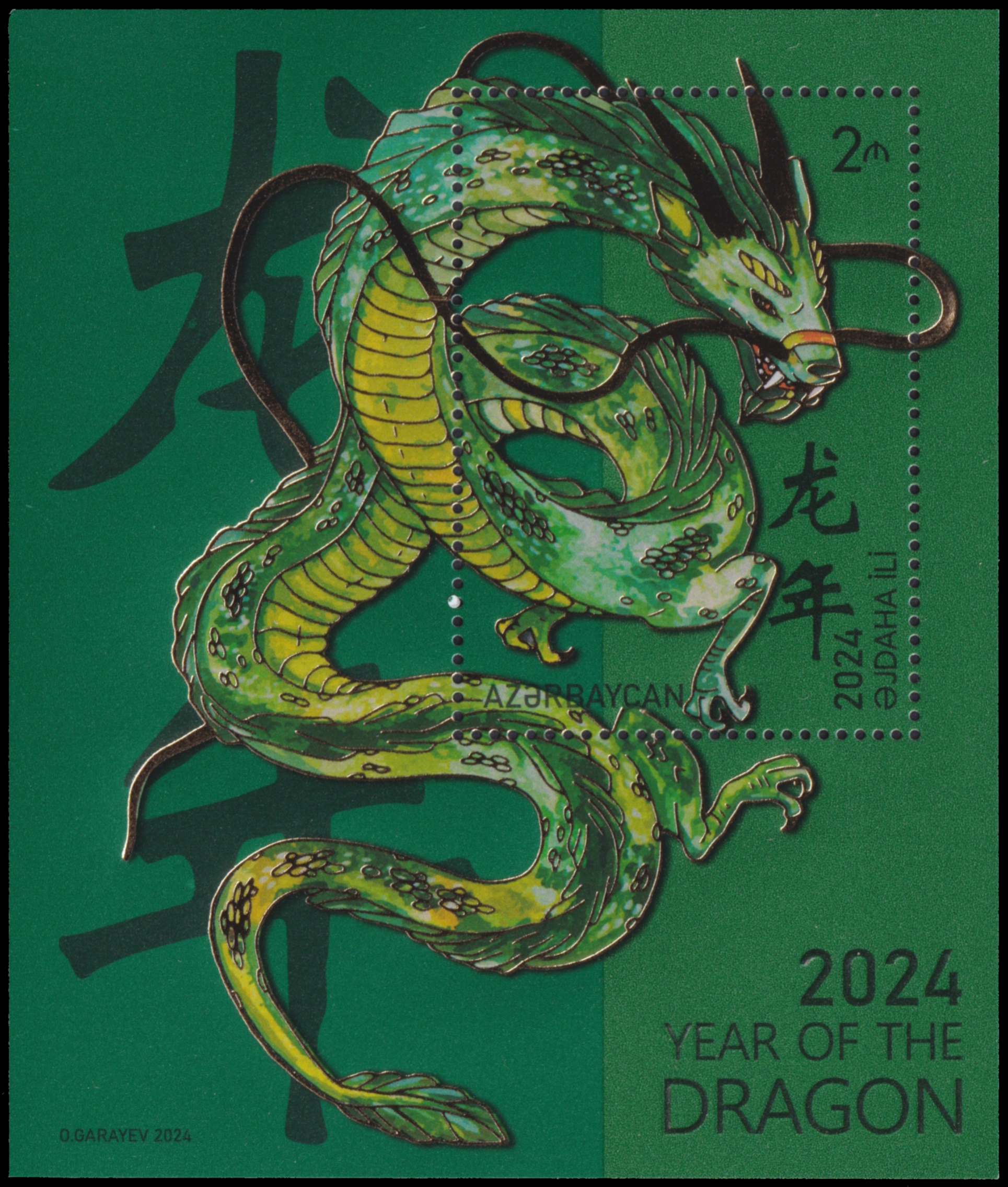
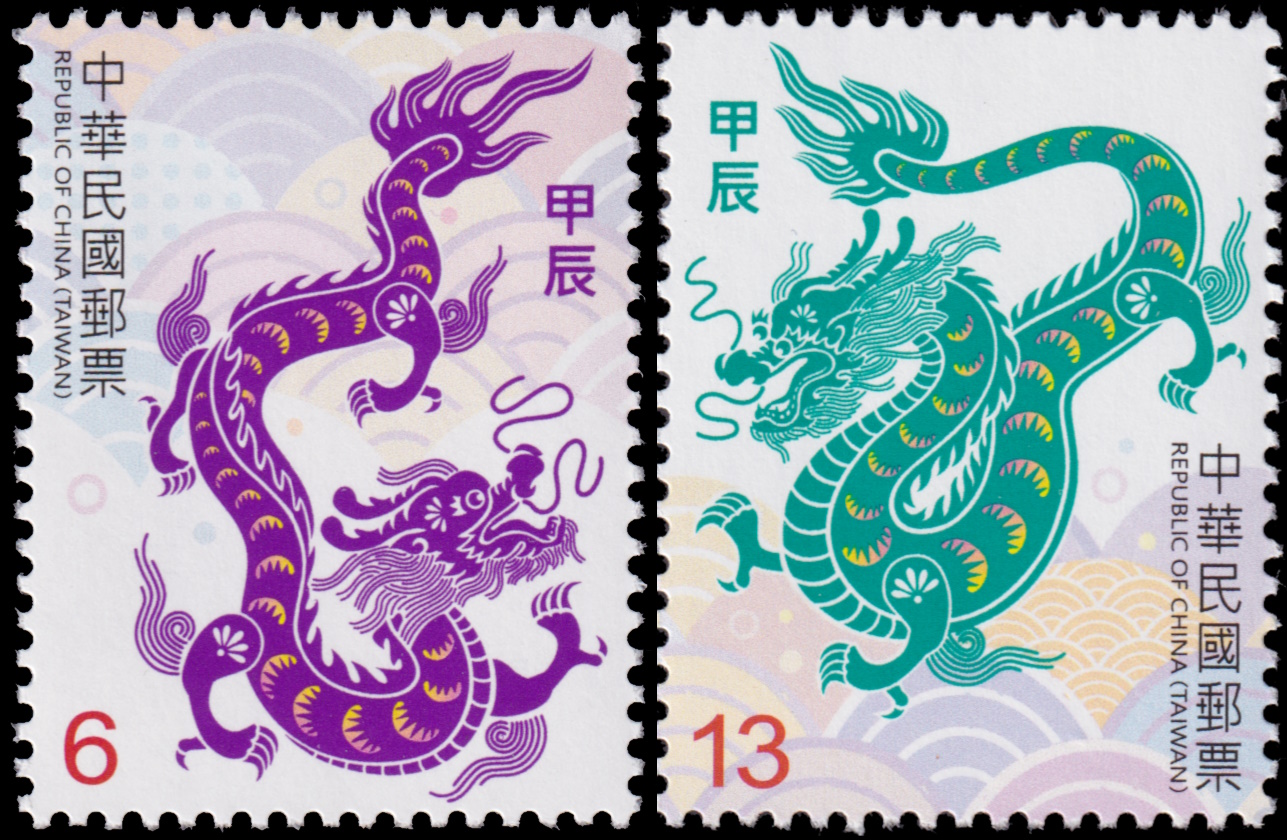
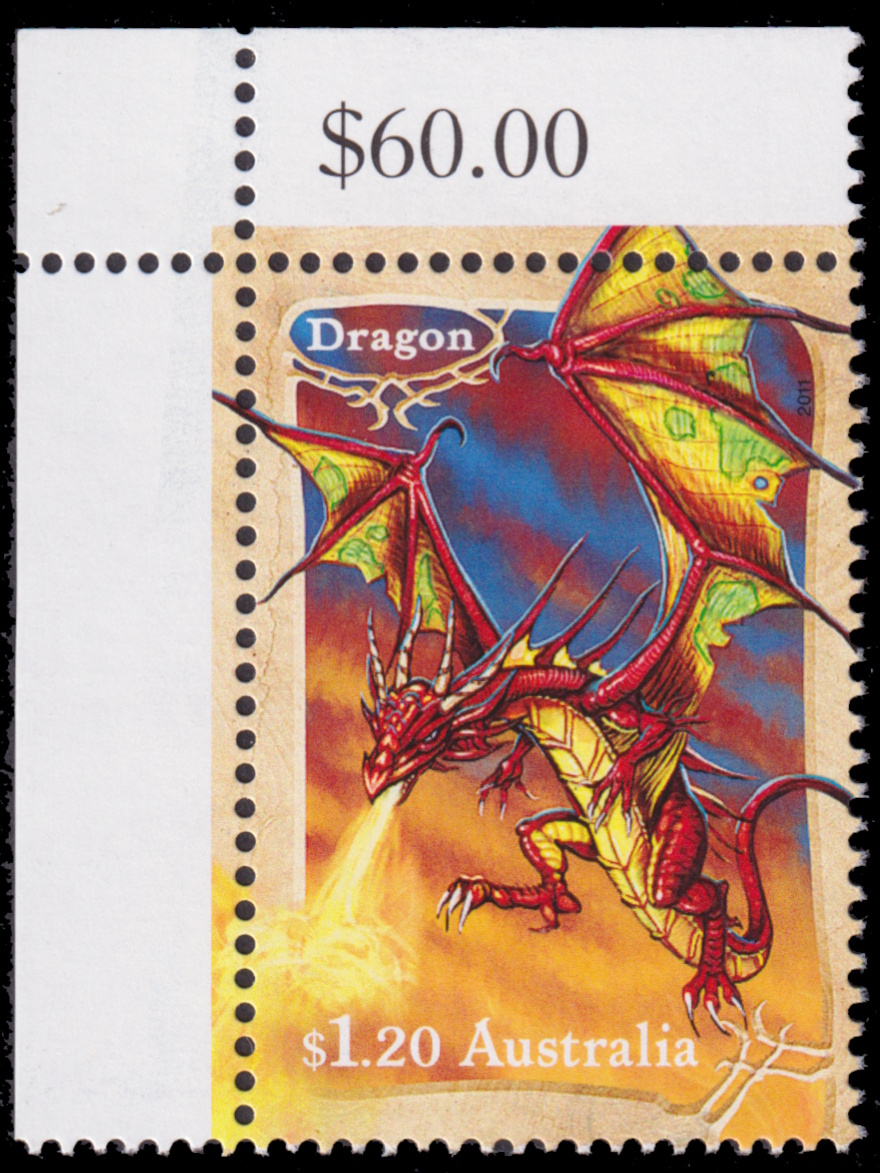
A dragon on stamps of Republic of China (Taiwan) and Australia
MiNr.: , Scott: respectively. Right: A dragon on Souvenir-Sheet of Azerbaijan 2024 MiNr.: , Scott: . |
![]() |
![]() |
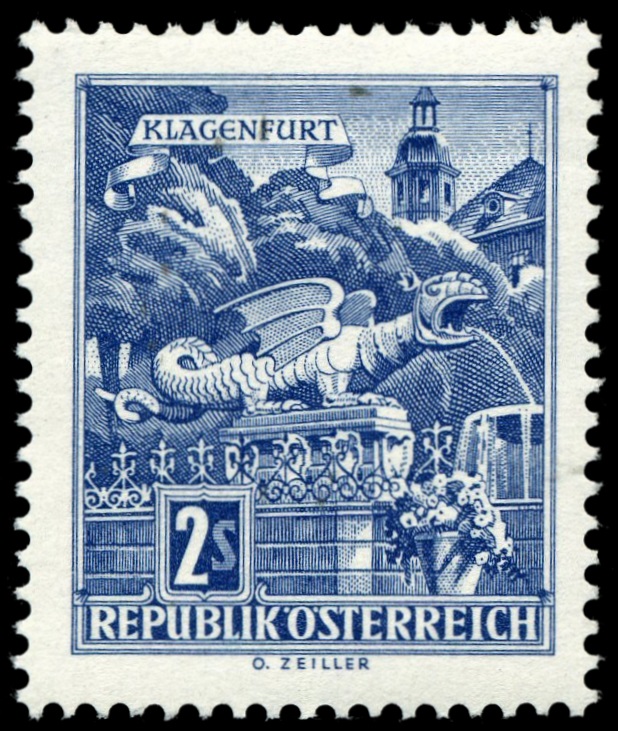
| Fountain of Klagenfurt on stamp of Austria 1968 MiNr.: 1256, Scott: 696. | Woolly Rhino on stamp of Switzerland 2024 MiNr.: 2968, Scott: . |
![]() |
![]() |
|
|
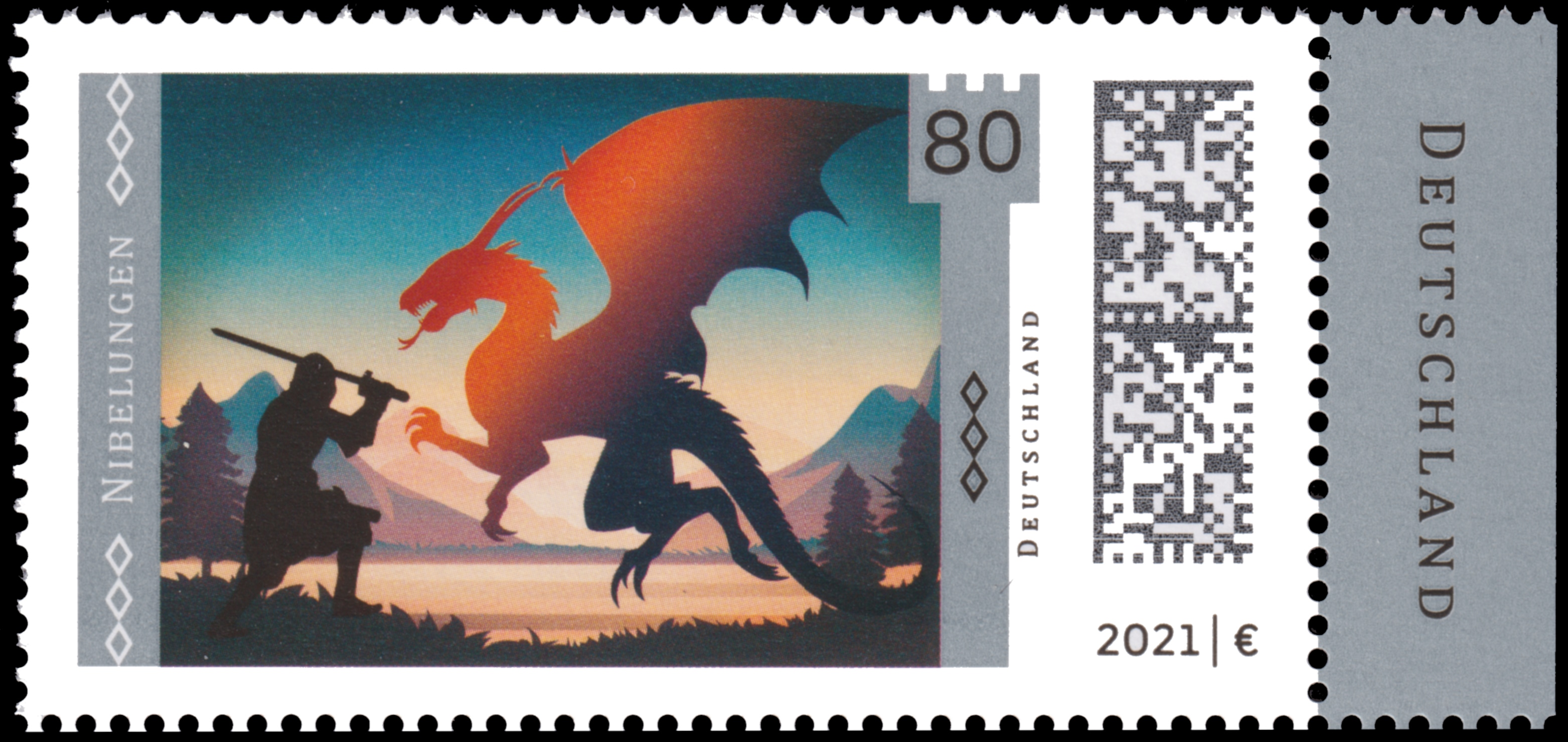
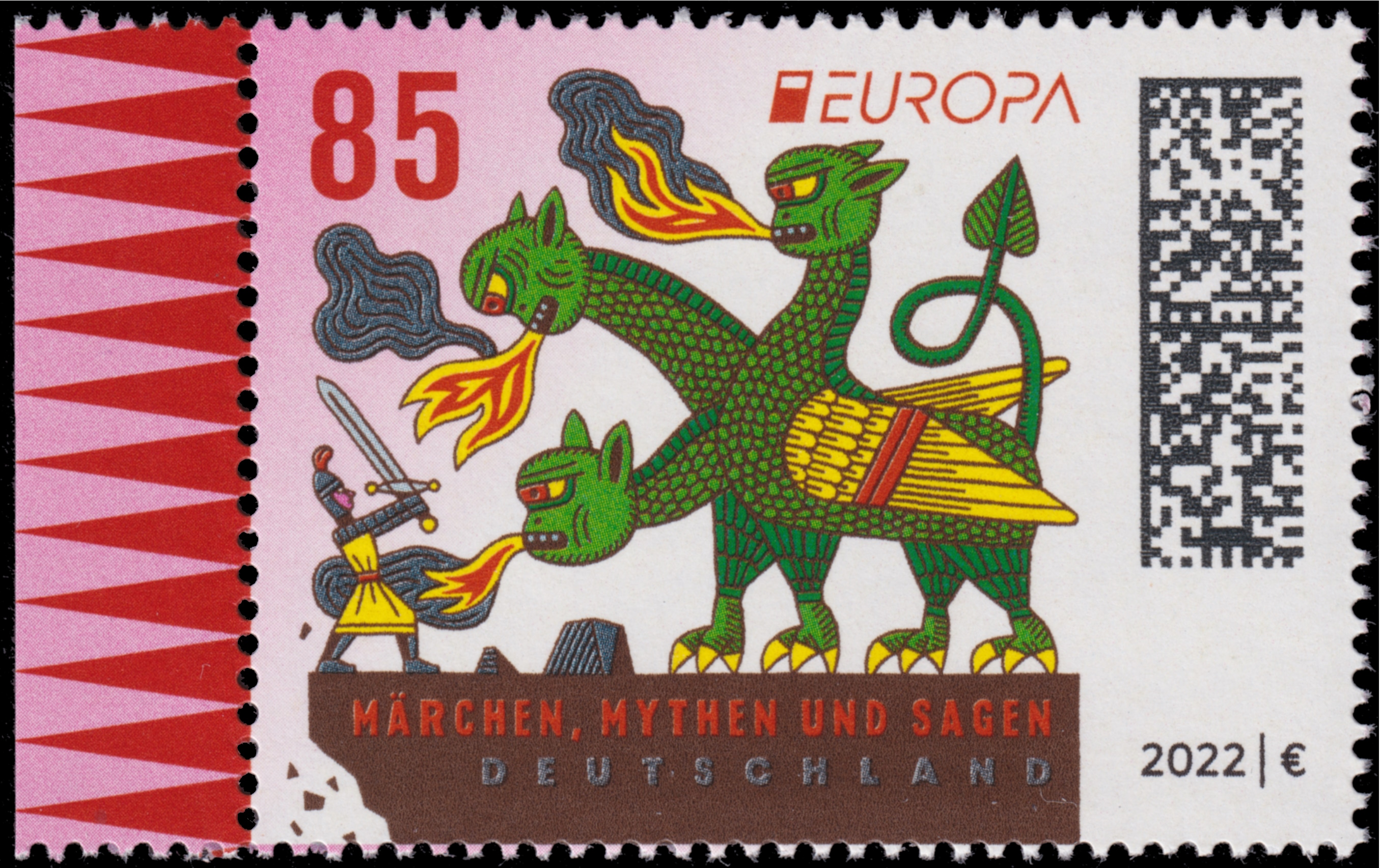
Dragons on stamps of Germany
MiNr.: , Scott: respectively. |
||
![]() |
![]() |
![]() |
|
|
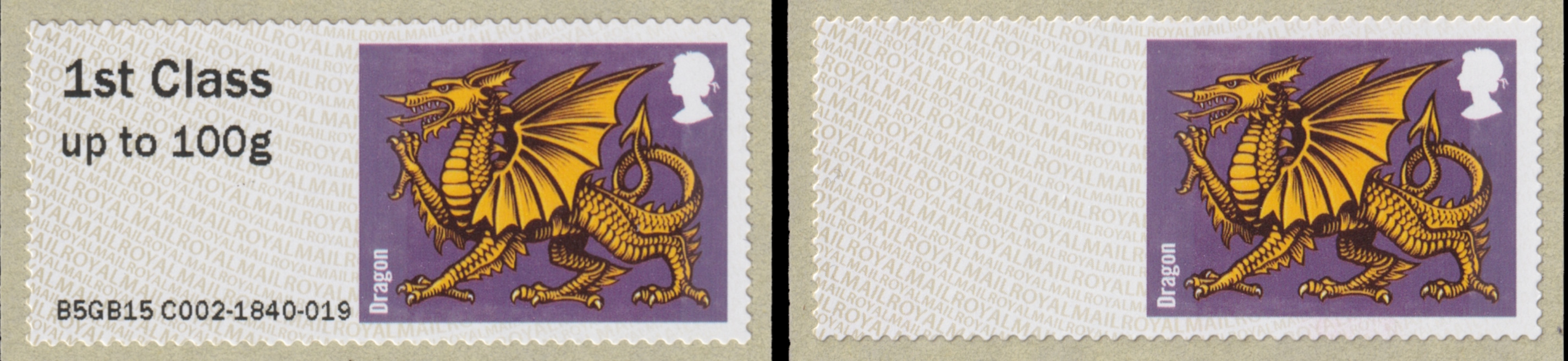
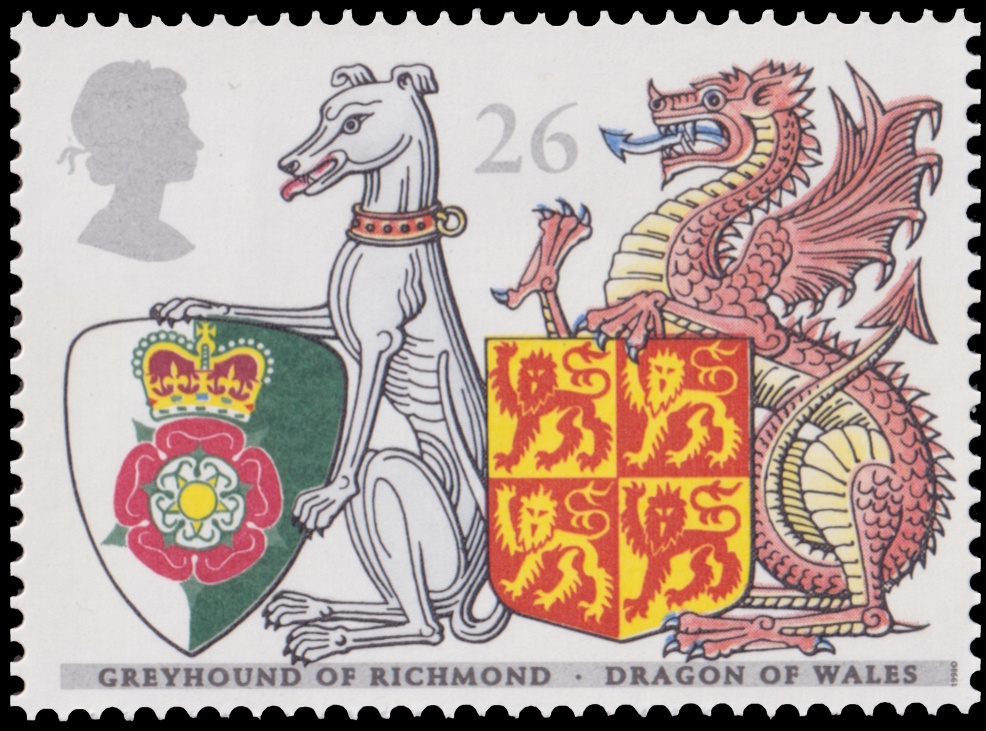
Dragons on stamps of Belgium and Great Britain
MiNr.: , Scott: respectively. |
|||
![]() |
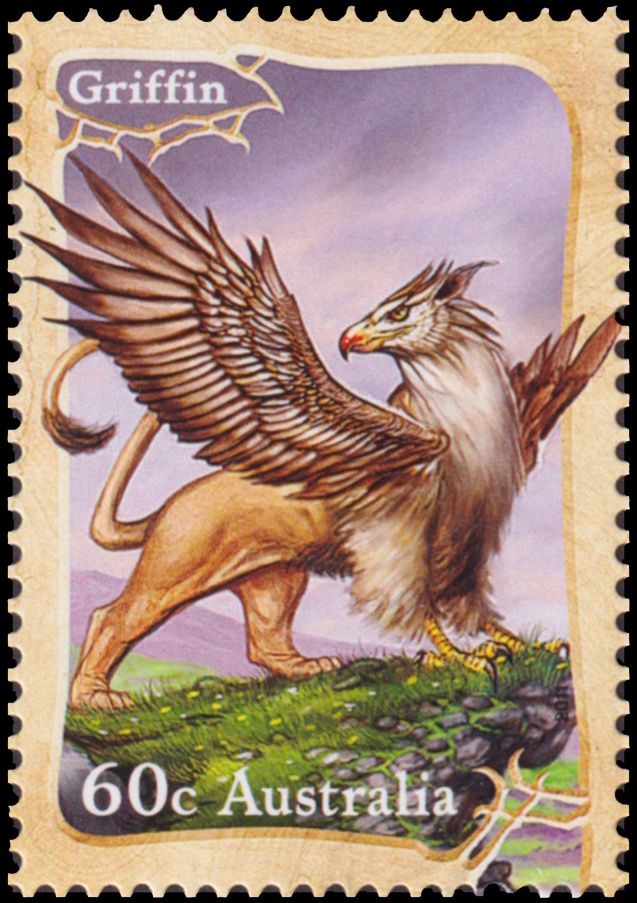
| Griffin on stamp of Australia 2011 MiNr.: , Scott: |
![]() |
![]() |
![]() |
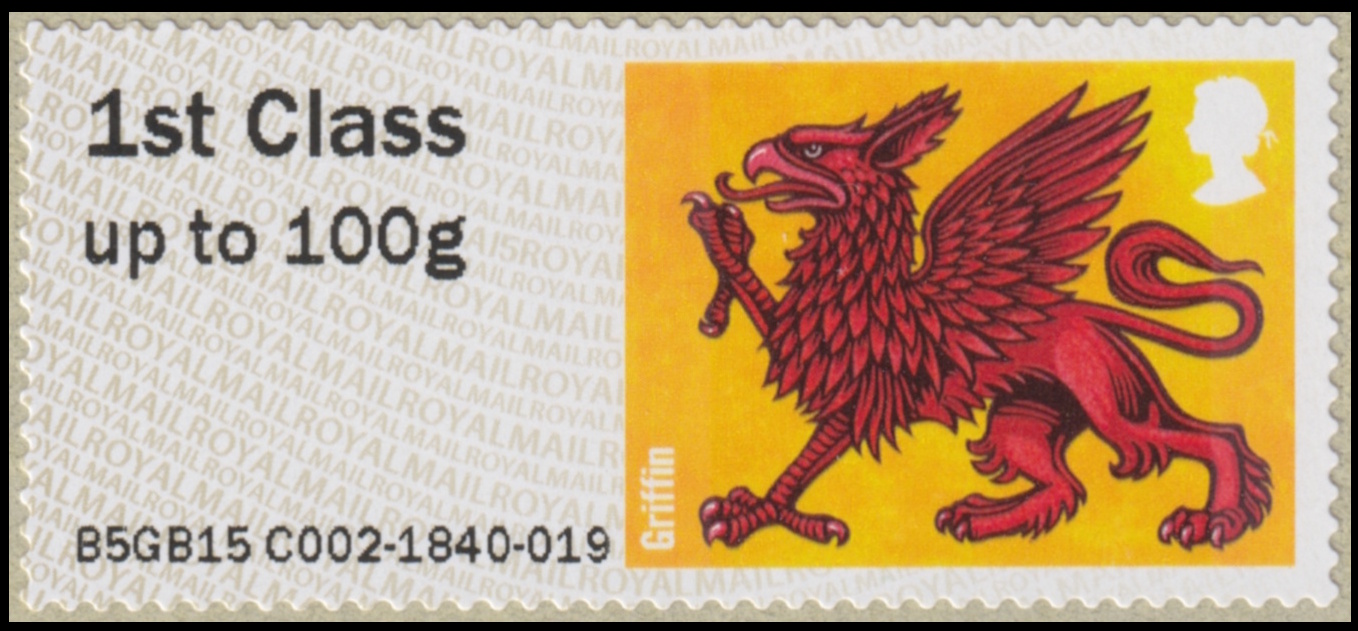
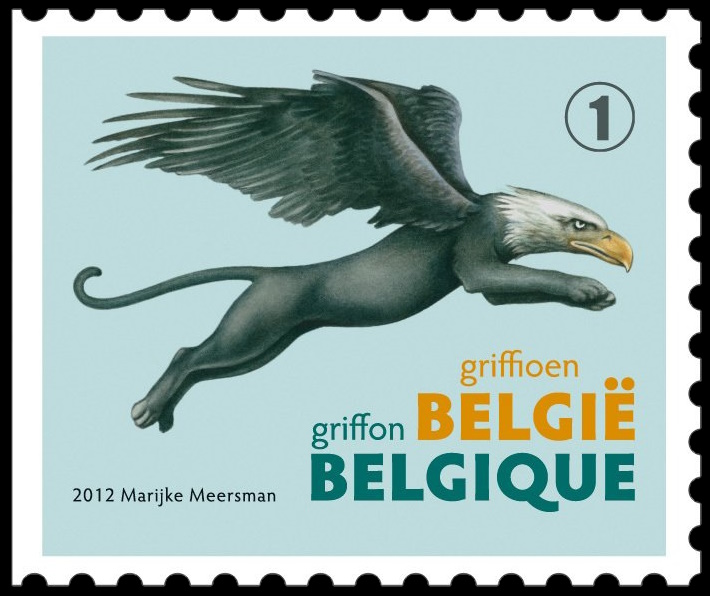
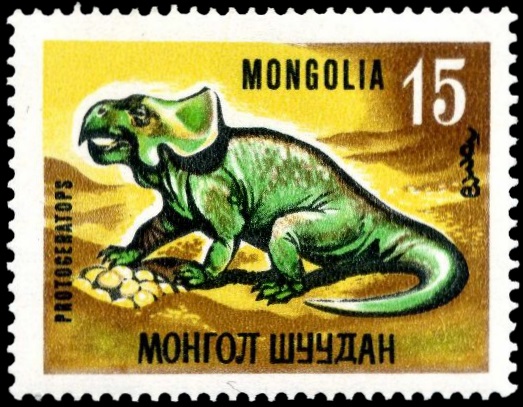
| Griffin on stamps of Great Britain 2015 andBelgium 2012, MiNr.: , 4253; Scott: , 2546 respectively. Protoceratops on stamp of Mongolia 1967, MiNr.: 462, Scott: 449. | ||
![]() |
![]() |
![]() |
![]() |
| Fossilized skeleton of dwarf elephant on definitive stamp of Malta 2009, MiNr.: 1612, Scott: 1383. | Elephant skull on stamp of Malaysia 2014, MiNr.: 2110, Scott: 1495a. | Elephant skull. | Tepegoez, a kind of cyclops in Turkic mythology, on stamp of Azerbaijan 2022, MiNr.: 1651D, Scott: . |
![]() |
| St. Stephen’s Cathedral in Vienna on stamp of Austria 1977, MiNr.: 1544,1545, Scott: 1055, 1056. |
![]() |
| Woolly Mammoths on stamp of Switzerland 2024, MiNr.: 2970, Scott: 1989. |
![]() |
| Chapel Bridge in Lucerne on stamp of Switzerland 2018, MiNr.: 2542, Scott: 1682. |
In medieval Europe, it was common practice to display the bones of Biblical giants in churches, cathedrals, and town halls. Many churches across Europe exhibited large bones, now known to belong to woolly mammoths, woolly rhinoceroses, or other Ice Age megafauna.
For centuries, the bone remained a curiosity, reinforcing local myths about ancient giants who once roamed the land. It was not until 1613 that the bone’s true identity was recognized.Mammoth or elephant femur (hind leg bone) could easily be mistaken for those of a human giant, as it has a very similar shape, but much bigger, especially by someone without advanced anatomical knowledge.
The French medical student Jean Riolan the Younger correctly identified it as belonging to an extinct elephant, what we now know to be a woolly mammoth (Mammuthus primigenius).
In 1577, huge bones were found in Heiden in the canton of Lucerne under an oak tree that had been uprooted by a storm.
They were brought to Lucerne.
When the famous doctor Felix Plater was called to Lucerne in 1584 to care for the sick military colonel Ludwig Pfyffer,
the councilors showed him these bones - as Plater himself tells us in his Observationes medicete.
He examined them and could not believe that they were anything other than the bones of a giant.
The council decided to send him some of the larger pieces to Basel, where Plater compared them with the human skeleton pieces
in his possession and was confirmed in his belief that they were the bones of a human giant, with height of 5.5 meters.
Plater then had the Basel master painter Hans Bock make a drawing of the bones that had been reconstructed and supplemented
to form a gigantic human skeleton and sent the drawing back to Lucerne along with the bones.
![]() |
![]() |
![]() |
|
The Giant of Lucerne on one of the panels of the Chapel Bridge in Luzern.
Image credit: kapellbruecke".
|
The Lucerne Chapel Bridge on stamp of Switzerland 1993, MiNr: 1511, Scott: B590. |
The Mammoth from Lucerne on postmark of Switzerland 2010.
|
|