Belgium 2026 "Unpublished photographs from the 19th century"
| Issue Date | 26.01.2026 |
| ID | Michel: Bl. 309 (5409-5413); Scott: Stanley Gibbons:; Yvert et Tellier: ; Category: pF |
| Design | Geert Wille |
| Stamps in set | 5 |
| Value |
"1 World" rate (worldwide letters weighing up to 20 g; €3.19 on the day of issue).
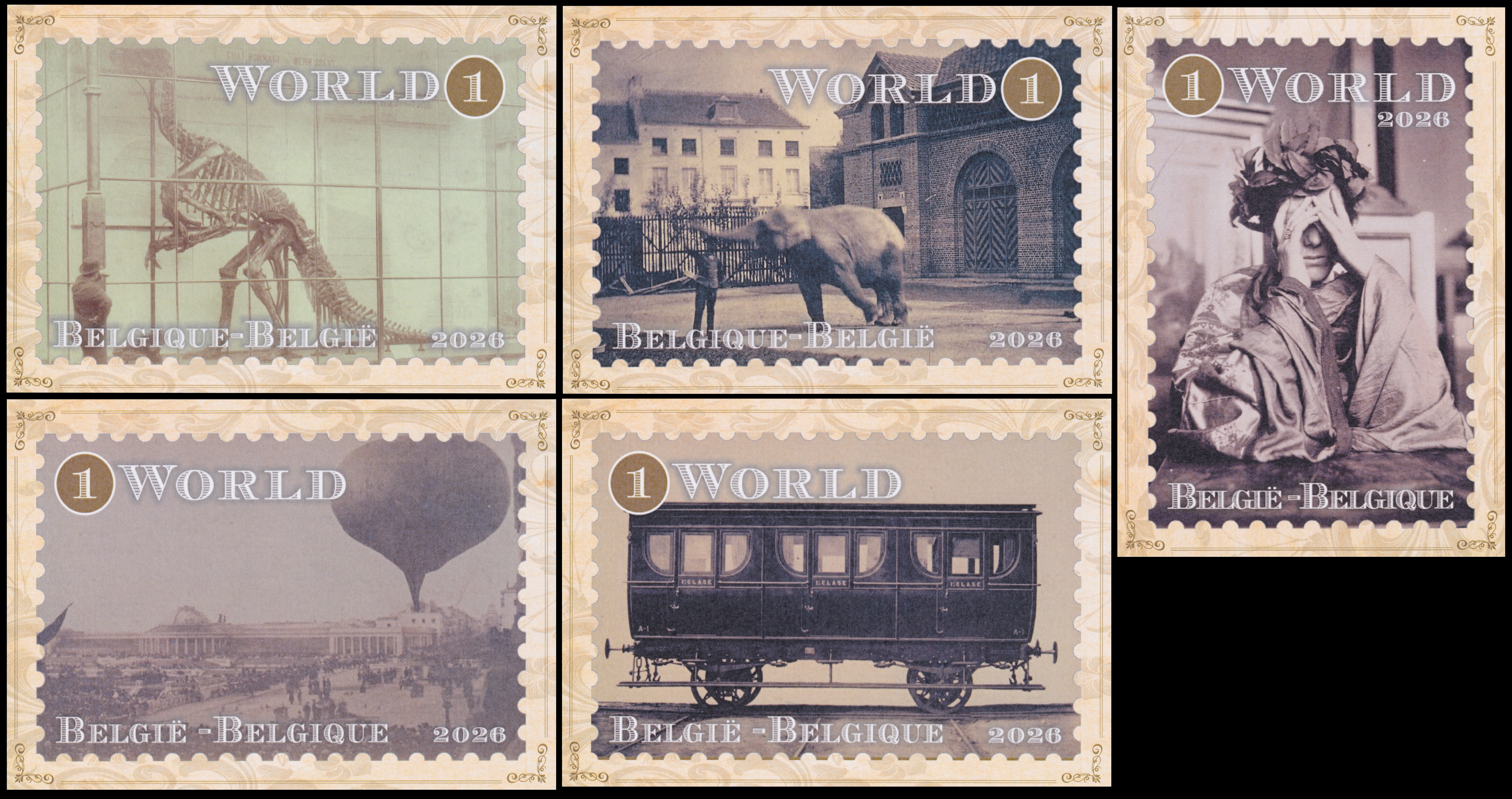
Air balloon Dinosaur skeleton - Iguanodon Train's passenger wagon Elephant in motion Portrait of Marguerite Khnopff |
| Emission/Type | commemorative |
| Issue place | Brussels-Central railway station |
| Size (width x height) | stamps: 30.0mm x 20.0mm, 20.0mm x 30.0mm Sheet: 110mm x 150mm |
| Layout | Sheet of 5 + 2 labels |
| Products | FDS x1, PC x5 |
| Paper | OBA-free FSC-certified paper |
| Perforation | 11.50 x 11.50 |
| Print Technique | Offset |
| Printed by | Bpost Philately & Stamps Printing |
| Quantity | 26,447 sheets |
| Issuing Authority | BPost |
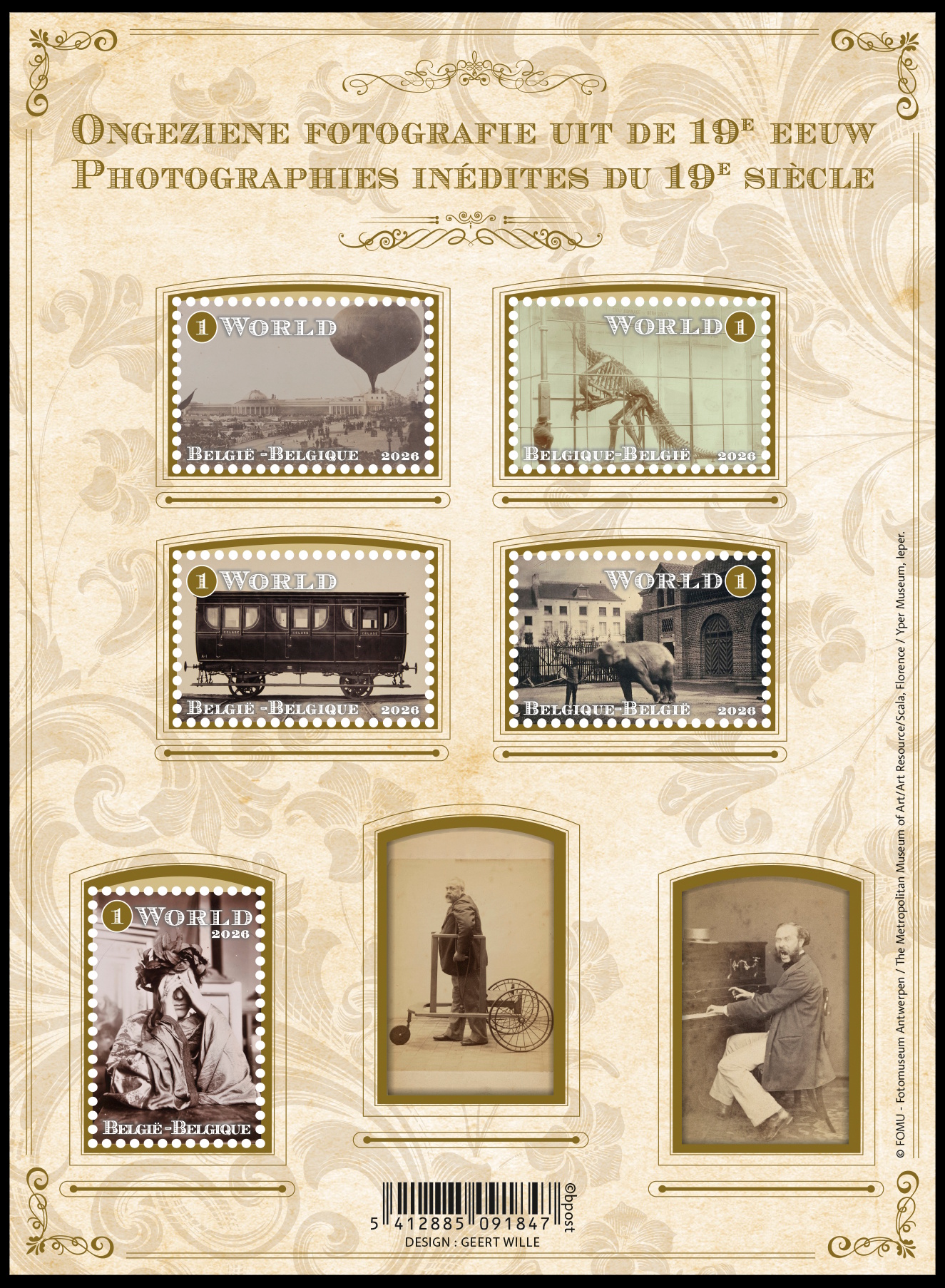
On January 26th, 2026, the Postal Authority of Belgium, Bpost, introduced a stamp set "Unpublished photographs from the 19th century". These stamps were printed in a sheet of five stamps and two labels.
The year 2026 marks 200 years of photography. Although photography is now an everyday practice, it was a remarkable innovation in the 19th century.
This stamp issue highlights the origins of photography in Belgium and honors the contributions of several Belgian pioneers.
- Louis Ghémar, The hot air balloon "Le Géant" by Nadar, 1864, albumen print, Yper Museum Collection SM 001627
- Iguanodon de Bernissart, by Alexandre Edouard Drains, ca. 1883, albumen print, Collection FOMU P/1984/0209
- Passenger wagon (1st class) railway, by Brand Frères, ca. 1865, albumen print, Collection FOMU P/1997/0096/0002
- Another Impossible Task, by Louis-Pierre-Théophile Dubois de Nehaut, 1854-1856, salt print, Metropolitan Museum of Art Collection
- Portrait of Marguerite Khnopff, by Fernand Khnopff, ca. 1890, daylight gelatin silver print, FOMU Collection P/1980/249/0001



- Man posing in a vehicle for people with reduced mobility, by François Smeesters, 1888-1890, albumen print, FOMU Collection 2023/0033/0001
- Self-portrait Louis Ghémar, 1866, albumen print, FOMU Collection 2022/0130
When Belgium was barely independent, photography appeared as a revolutionary medium. Just weeks after its official unveiling in France and England, the invention arrived in Belgium.
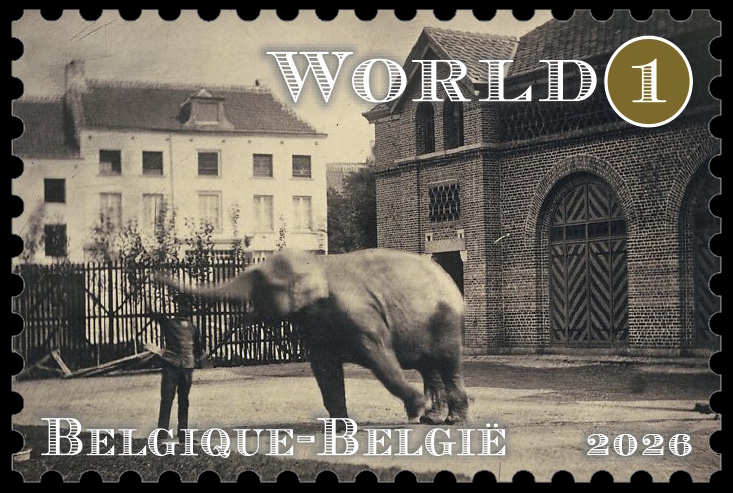 |
| Photo from 1854 - elephant in motion on one of the stamps of Belgium 2026, MiNr.: 5412, Scott: |
The first photographs relied on daguerreotypes and salted paper prints — techniques that were expensive, painstaking, and even dangerous. “At first, photography was practiced mainly by scientists, artists, and printers, who experimented with the medium, presented their results to academic institutions, and pursued patents”. From around 1850, however, rapid progress followed. Innovations such as the wet collodion plate, the ambrotype, and, in 1871, the gelatin negative transformed photography into a faster and more mobile medium, opening up entirely new visual possibilities.
One of the most remarkable images, now reproduced on a postage stamp, portrays the elephant, Miss Betzy. In 1854, photographer Louis-Pierre-Théophile Dubois de Nehaut set out to capture her in motion. “It was only on his twelfth attempt that he managed to freeze a precise movement — an extraordinary achievement for the period,” says Tamara Berghmans.
Iguanodon of Bernissart
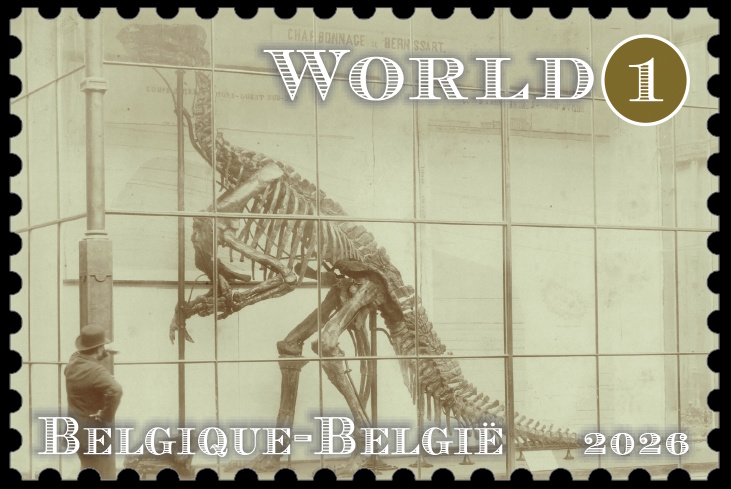 |
| Mounted skeleton of Iguanodon bernissartensis on stamps of Belgium 2026 MiNr.: 5410; Scott: . |
In 1883, Alexandre Édouard Drains took the first photograph of the reconstructed skeleton at the Brussels Museum of Natural History. This image is regarded as the earliest known photograph of a mounted dinosaur skeleton and documents a major milestone in palaeontology and public science.
The fossils were discovered at Bernissart in 1878, as described below, but it was not until 1882 that scientists succeeded in reconstructing one of the dinosaurs. The skeleton was mounted in an upright, tail-supported posture typical of 19th century interpretations.
In 1883, the mounted skeleton was installed in the inner courtyard of the former Hôtel de Nassau, enclosed in a glass structure that protected it from the elements while allowing natural light for viewing and photography. The display attracted widespread public attention and contributed significantly to the emerging image of dinosaurs as real, once-living animals.
Discovery of Iguanodon at Bernissart
On February 28th, 1878, two mine workers from the Bernissart Coal Board Limited Company, Jules Créteur and Alphonse Blanchard, accidentally discovered dinosaur bones in a Sainte-Barbe coal mine at Bernissart (known as the Sainte-Barbe pit today), at a depth of 322 meters, initially mistaking them for petrified wood.After the discovery, mine officials inspected the site in early March and chose to continue driving the gallery through the clay-filled fault zone where the remains occurred. As work progressed, additional bones and teeth were exposed, making it increasingly clear that the material was fossil rather than vegetal. Samples were examined by specialists: geologist François-Léopold Cornet and one of his former students Pierre-Joseph van Beneden professor of paleontology at Leuven University, who recognised them as belonging to Iguanodon, confirming the scientific importance of the find.
In April 1878, the Royal Belgian Museum of Natural History in Brussels was formally alerted by telegram, and preparations were made to intervene before mining operations could damage the deposit. Only after these assessments, communications, and logistical arrangements did the museum dispatch its chief preparator, Louis De Pauw, who arrived in Bernissart in early May and began the first organised excavation of the dinosaur skeletons on 15 May 1878.
Louis De Pauw (1844-1918) was a Belgian paleontologist, archaeologist, taxidermist, and naturalist, who achieved world fame with the excavation, assembly and preparation of, among others, the iguanodons of Bernissart, the mammoth van Lier (Mammuthus primigenius) in 1866, and the fossil whales of Antwerp.
During three years of excavation, more than 30 Iguanodon skeletons representing animals of different ages and sexes were unearthed. In addition, the site yielded numerous virtually complete skeletons of crocodiles (Bernissartia - a dwarf crocodile; Goniopholis - a large crocodile), rare amphibians, and insects, as well as thousands of fossil fish, abundant coprolites, and a diverse fossil flora. The remarkable preservation of this assemblage provided an exceptional window into an Early Cretaceous ecosystem. The fossils were entombed in laminated clays and silts that had slumped into deep chasms, or large fissures, formed by the dissolution of the underlying Carboniferous limestone.Two of the iguanodons were found in an unusual vertical position, with their heads pointing downward into the pit, while the remaining skeletons, found closer to the centre of the deposit, lay more or less horizontally.
Altogether, around 600 blocks, with a total weight exceeding 130 tonnes, were transported to Brussels for preparation and study. Using pioneering in-situ plastering techniques to combat pyrite decay, the team transported the fossils to the museum where they were thoroughly cleaned in the Museum laboratories.
 |

|
|
The first image is a photograph taken in 1878 during the assembly of the first
Bernissart Iguanodon skeletons.
A reconstruction drawing showing the missing parts of the skeleton can be seen on the wall behind it. The second image is the famous 1884 painting by Léon Becker depicting the assembly of the Bernissart Iguanodon skeletons. At the centre stands Louis De Pauw, chief fossil preparator of the Royal Museum of Natural History, surrounded by his assistants as they prepare additional fossil material and oversee the mounting process. The extensive wooden scaffolding and suspension ropes illustrate the pioneering techniques used to assemble the world's first mounted dinosaur skeletons. |
|
In 1882, the holotype specimen of Iguanodon bernissartensis became the first nearly complete dinosaur skeleton ever mounted. The skeleton was assembled in the museum workshop housed in St. George's Chapel of the Nassau Palace, where a system of adjustable ropes attached to scaffolding enabled the preparators to achieve a lifelike posture during the mounting process.
In July 1883, the specimen was transferred to the interior court of the Nassau Palace (Hôtel de Nassau), where it was exhibited to the public for the first time, in a glass cage, as shown on the stamp. This groundbreaking exhibition marked a turning point in vertebrate palaeontology, demonstrating for the first time the appearance and posture of a dinosaur based on an almost complete skeleton rather than on isolated fossil bones.
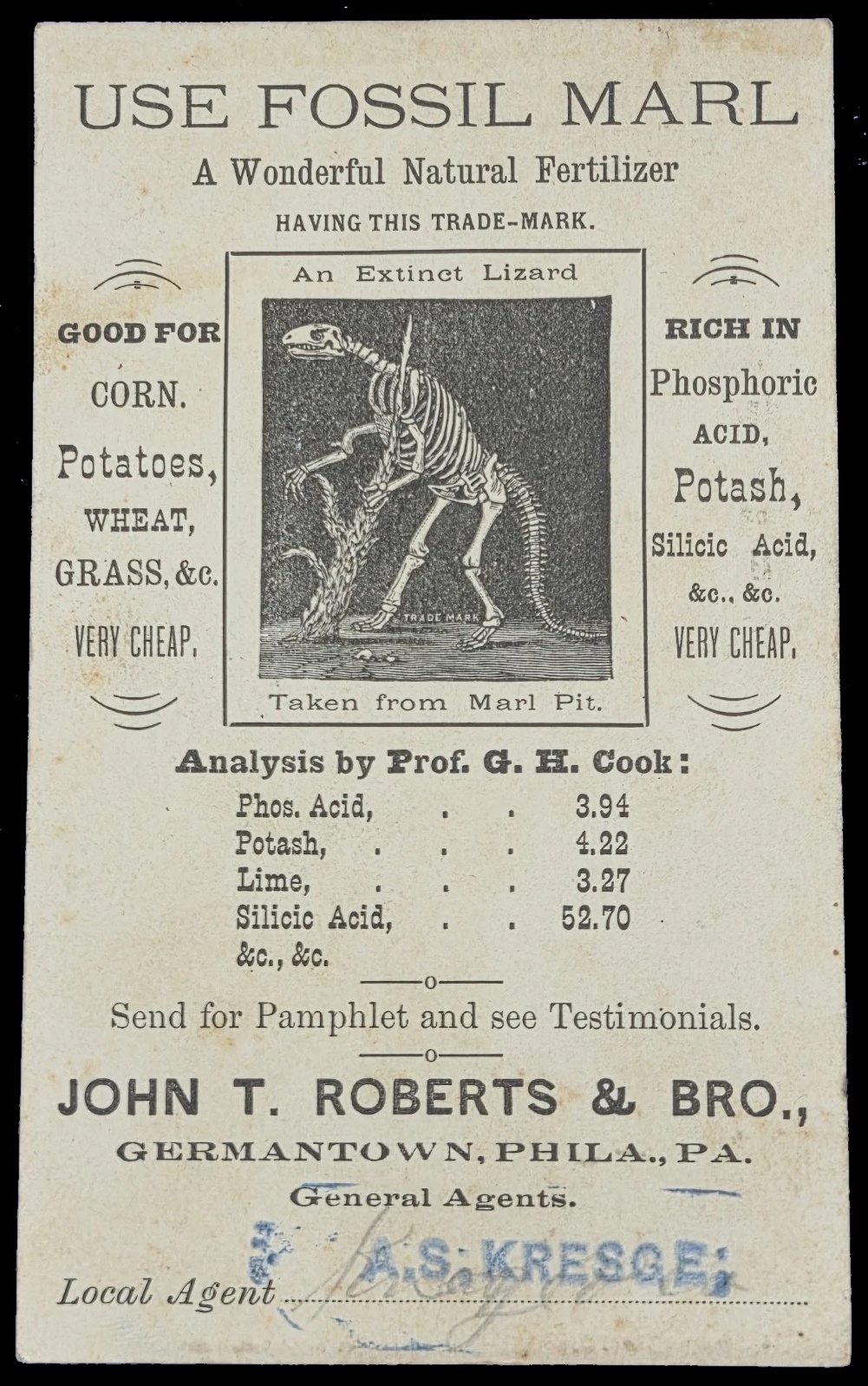
The world’s first mounted dinosaur skeleton was Hadrosaurus foulkii,
named by the American palaeontologist Joseph Leidy in 1858.
Under Leidy’s supervision, the English sculptor and
natural history artist Benjamin Waterhouse Hawkins,
who, under the guidance of Richard Owen, had created the first three-dimensional models of dinosaurs
(including Iguanodon) and other prehistoric animals for
the Crystal Palace exhibition in Sydenham in 1854,
reconstructed and mounted the incomplete skeleton at the Academy of Natural Sciences in Philadelphia in 1868.
Although many missing bones had to be restored, it became the first dinosaur skeleton ever exhibited to the public and marked the beginning of modern museum displays of dinosaurs. The Bernissart Iguanodon, mounted fourteen years later, was the first nearly complete dinosaur skeleton to be reconstructed and exhibited.
 |
|
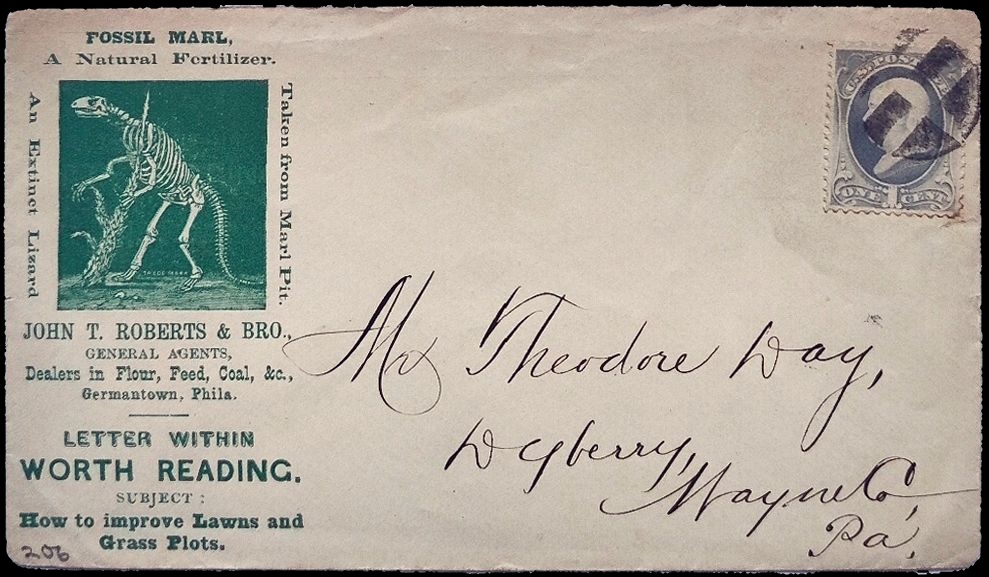
Hadrosaurus foulkii on a cachet of a U.S. advertising cover from the 1870s or 1880s.
It was used to advertise fossil marl,
a natural fertilizer produced by John T. Robert & Bro. of Germantown, Philadelphia. Image courtesy: Dr. Lida Xing, MSc, PhD, Associate Professor and doctoral advisor, China University of Geosciences (Beijing), Beijing, China |
Although many missing bones had to be restored, it became the first dinosaur skeleton ever exhibited to the public and marked the beginning of modern museum displays of dinosaurs. The Bernissart Iguanodon, mounted fourteen years later, was the first nearly complete dinosaur skeleton to be reconstructed and exhibited.
| In 1891, the skeleton was transferred to the Royal Museum of Natural History (today the Royal Belgian Institute of Natural Sciences), where it remains on display. Today, nine skeletons are exhibited as mounted displays, while nineteen additional skeletons are preserved in the museum's collections. Some of these can be viewed in the basement, where they are displayed in the positions in which they were discovered in the Bernissart coal mine. Together, they constitute one of the world's most celebrated dinosaur exhibits. The Bernissart discovery remains a landmark in the history of paleontology and one of the most important fossil discoveries ever made in Europe. | 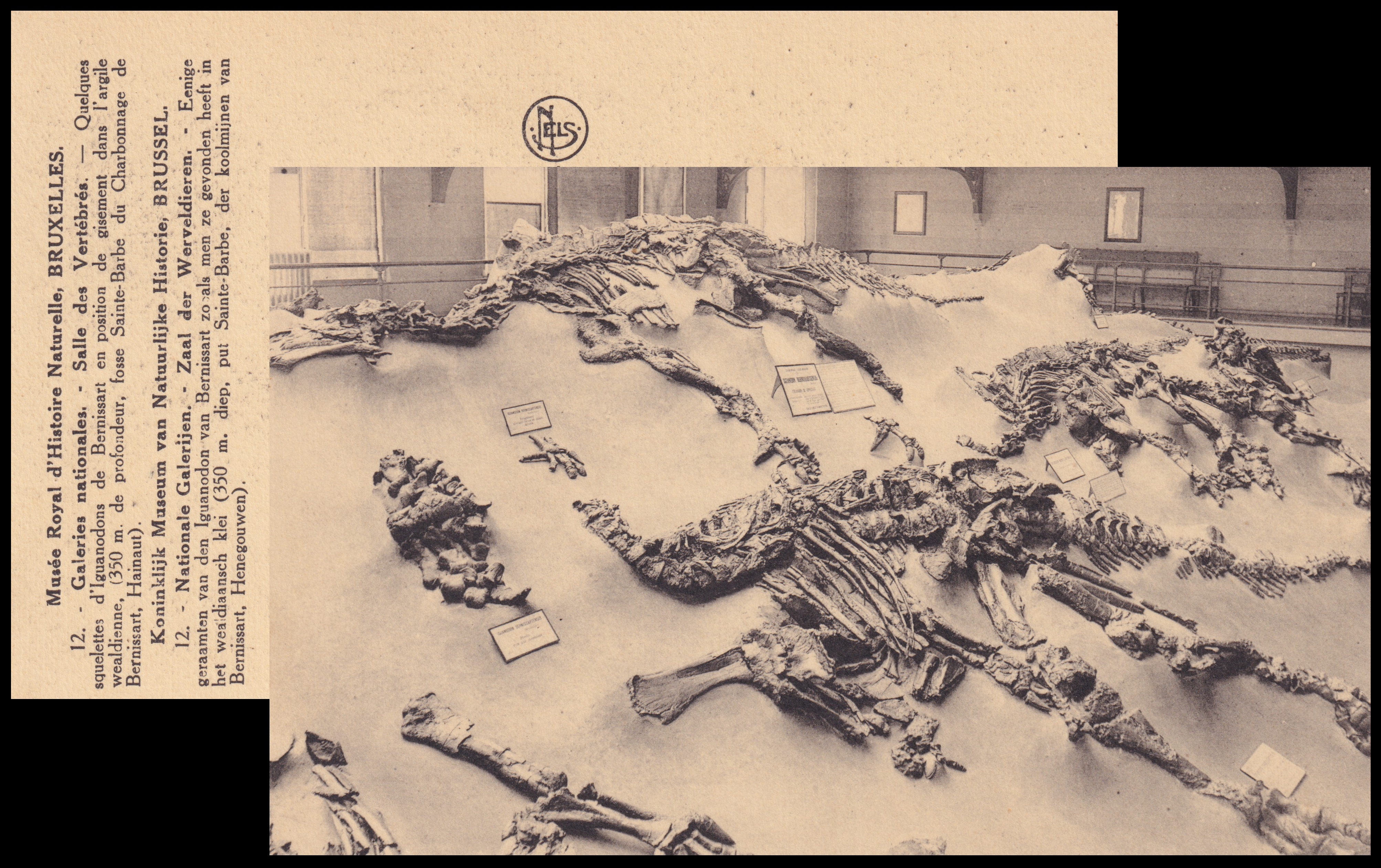 |
 |
 |
|
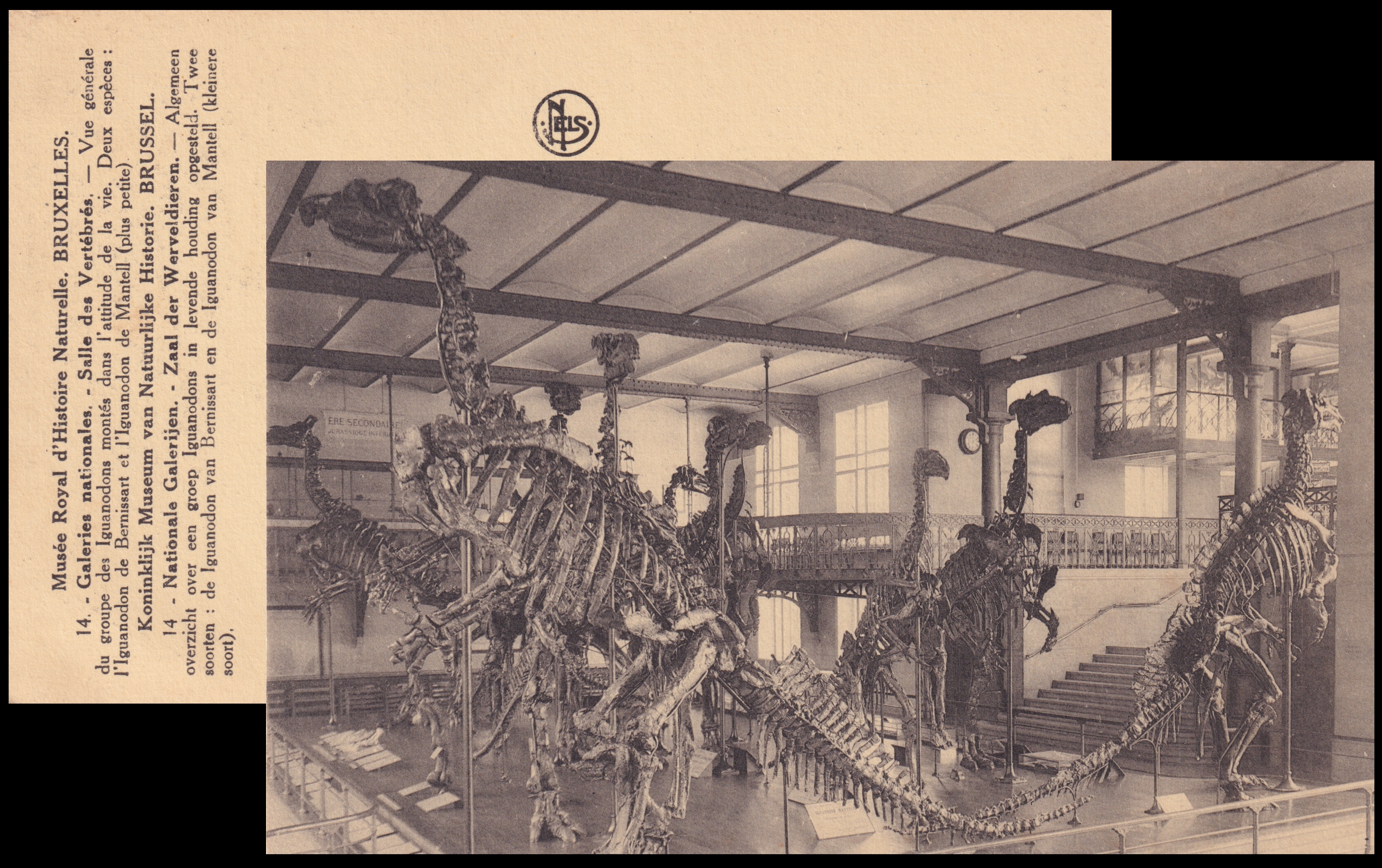
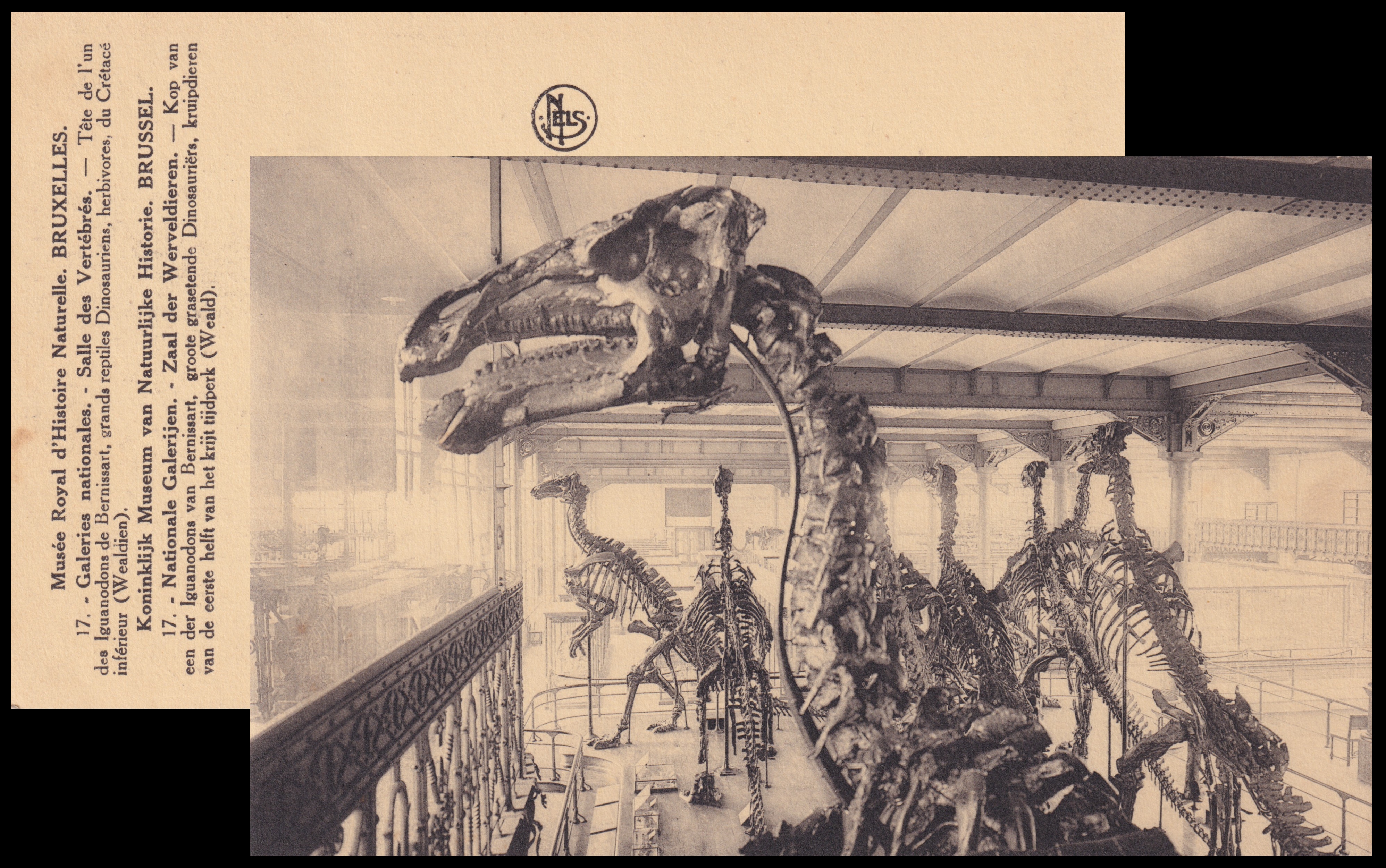
Above: Skeletons of Iguanodon bernissartensis in the historic glass gallery at the Royal Belgian Institute of Natural Sciences,
featured on a vintage Belgian postcard. Above-Right: The Iguanodon bernissartensis skeletons preserved in their original burial positions at the Royal Belgian Institute of Natural Sciences, Brussels, on a vintage Belgian postcard. |
|
 |
 |
|
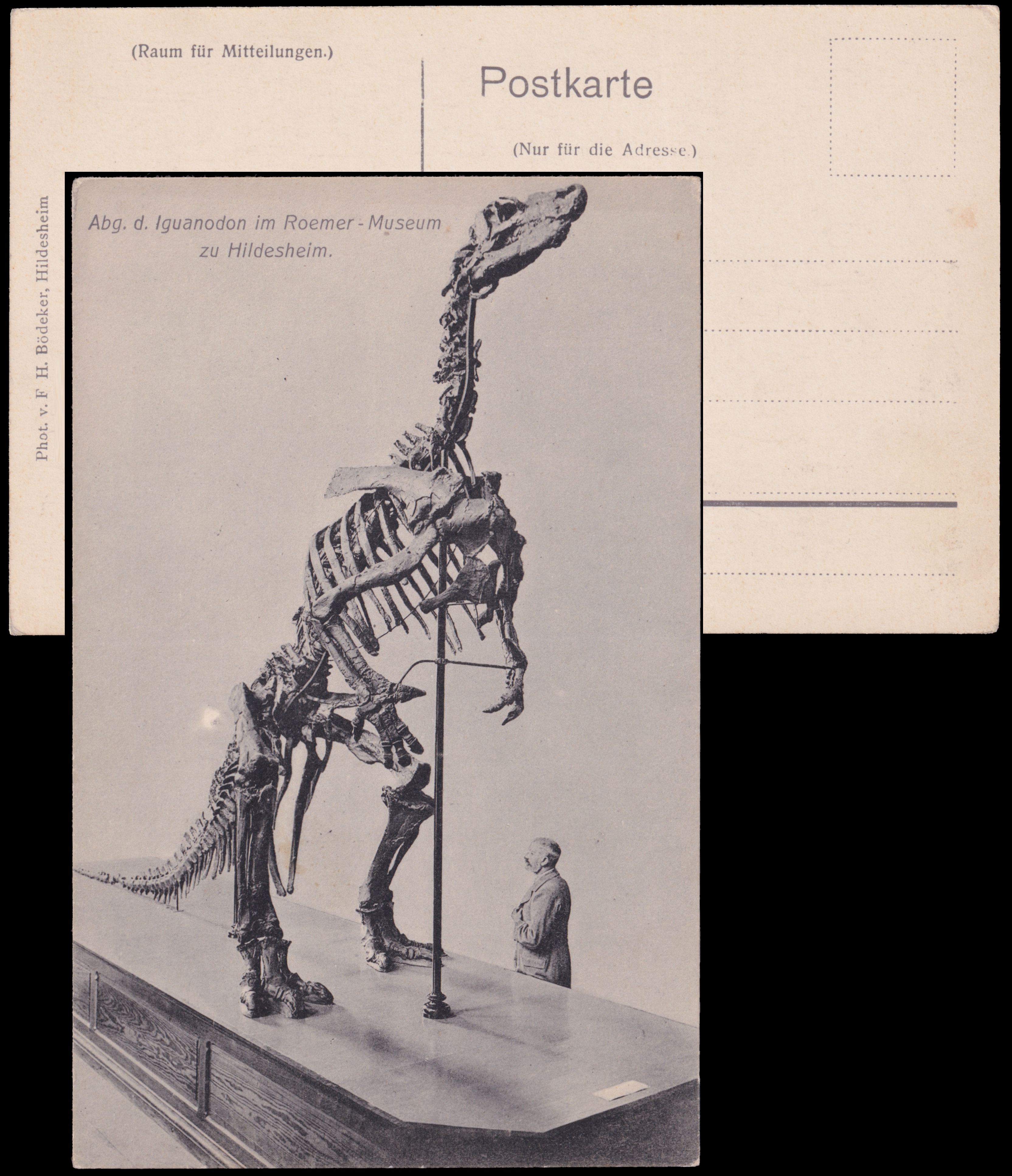
German Postcard of an Iguanodon bernissartensis Cast at the Roemer-Museum, Hildesheim, 1913. Captured by local photographer F.H. Bödeker, this vintage postcard shows a full-scale plaster replica of the famous Bernissart dinosaur. The Roemer-Museum secured this cast in 1901 through a prestigious scientific barter, trading rare regional Jurassic and Cretaceous fossils from Lower Saxony. This specimen was unfortunately destroyed alongside much of the museum's historic gallery during Allied bombing raids in World War II. |
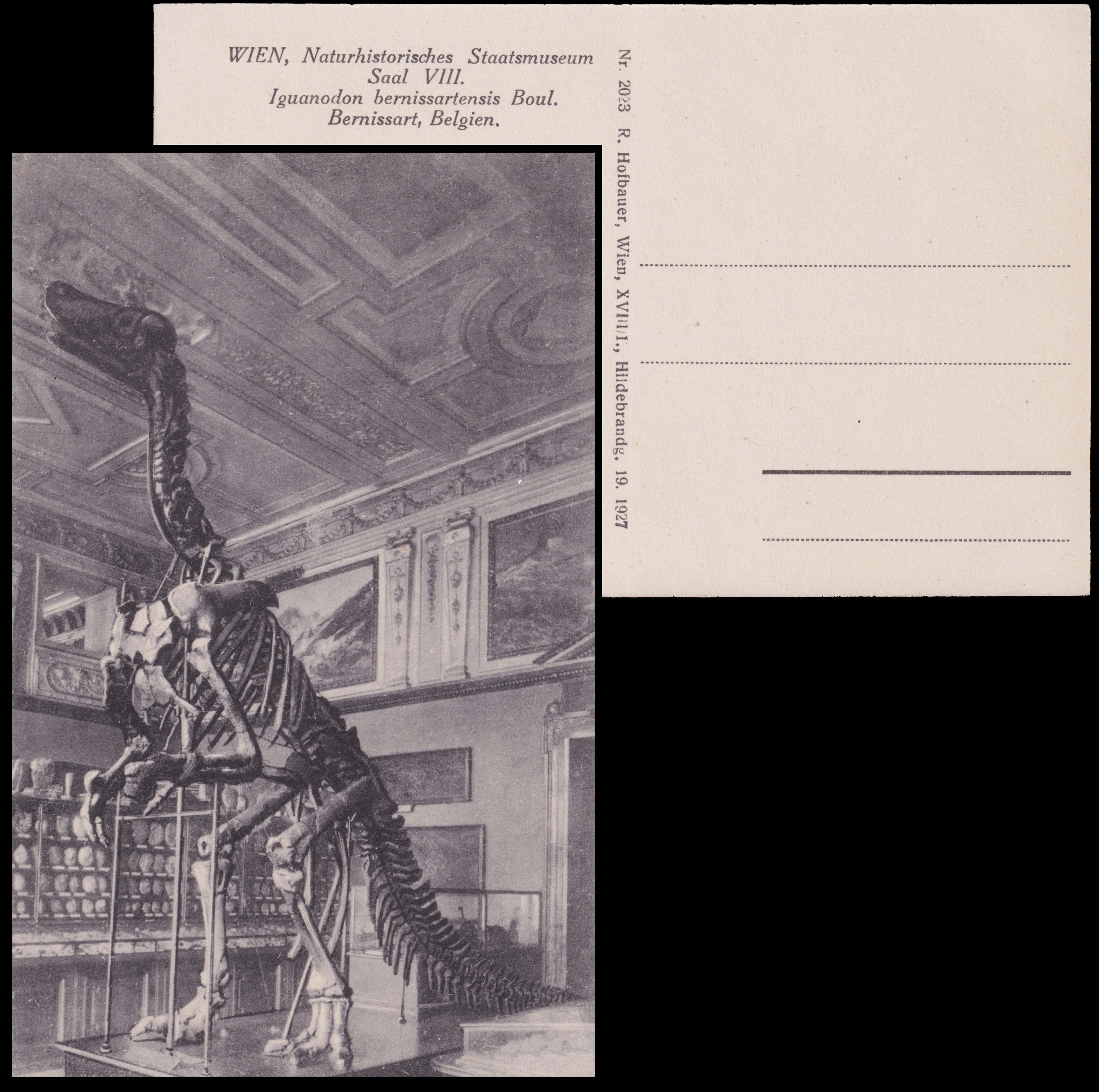
Austrian Postcard of Iguanodon bernissartensis in Saal VIII, Naturhistorisches Museum Wien, 1927. Published by R. Hofbauer (Nr. 2023), this postcard highlights the iconic Iguanodon cast inside Hall 8 of Vienna's Museum of Natural History. The museum secured their cast by trading rare geological specimens and Triassic alpine fossils. Safely surviving the conflicts of the 20th century, this historic plaster mount remains an enduring feature of the museum’s paleontology galleries today. |
Rather than distributing the fossils themselves, the Royal Museum of Natural History utilized its chief preparator, Louis De Pauw, to create highly precise, full-scale plaster replica casts of the best skeletons. Since the 1890s Belgium has gifted these massive plaster replicas to major institutions worldwide as tokens of royal diplomacy and scientific sharing and were never sold for commercial profit.
These replicas allowed institutions abroad to exhibit the famous Bernissart dinosaurs and provided researchers with access to accurate three-dimensional reproductions. Through this network of casts and scientific collaboration, the Bernissart iguanodons became some of the most widely recognized dinosaurs in the world, helping to establish the mounted dinosaur skeleton as a standard feature of natural history museums.
The Famous "Thumb Spike" Correction
 |
| Gideon Mantell's Iguanodon restoration. Image credit: Wikipedia. |
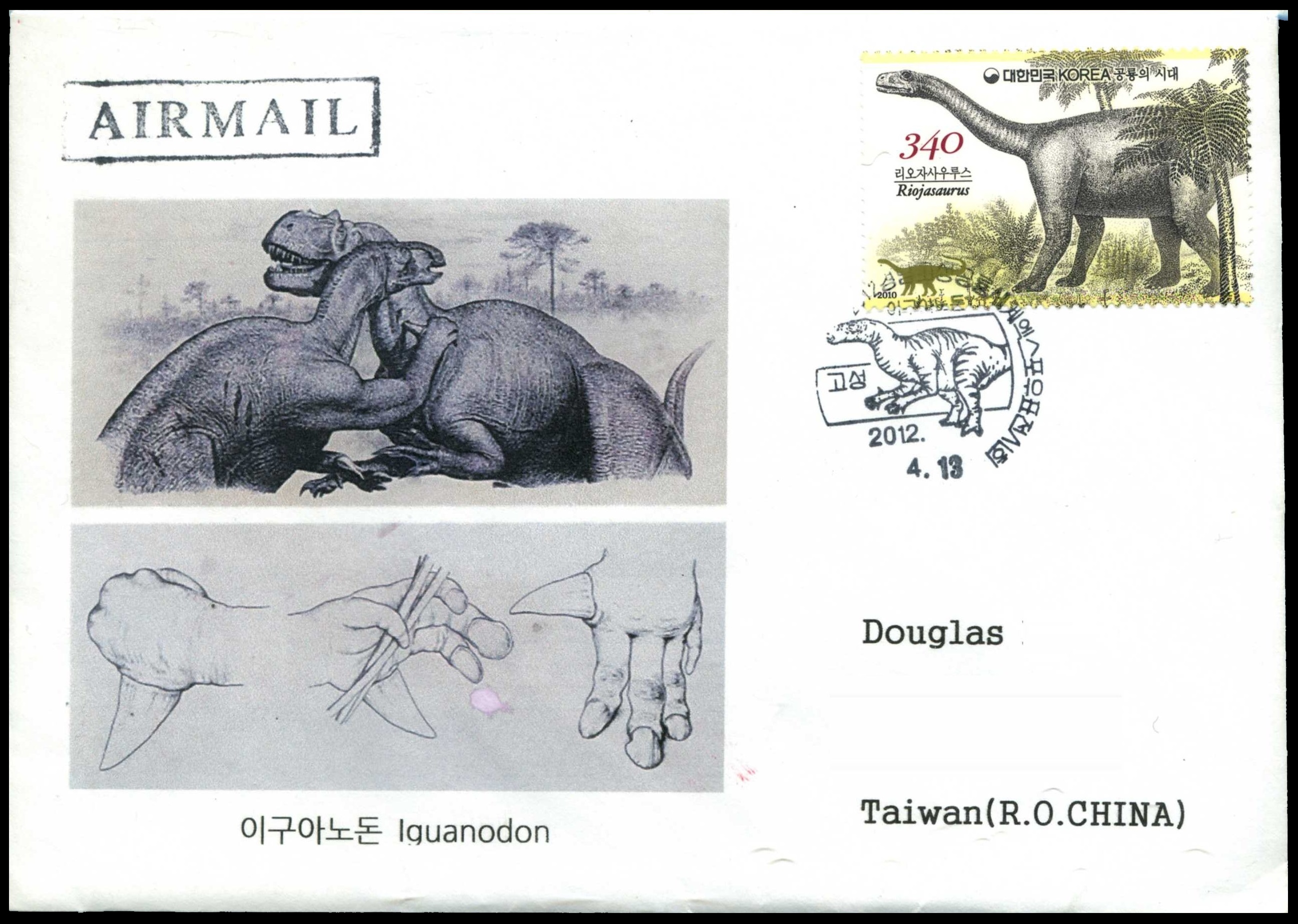 |
| Iguanodon fighting with predator on cachet of South Korean commemorative cover 2010. |
When a strange, cone-shaped bone was unearthed separately from the rest of the skeleton, Mantell looked to the living rhinoceros iguana, noted for the prominent horn-like scales on its snout, as his biological blueprint. This logical but mistaken comparison led him to place the spike on the dinosaur's nose like a rhinoceros horn.
The discovery of numerous fully articulated Iguanodon skeletons at Bernissart in 1878 provided conclusive evidence that the supposed nasal horn was actually a highly specialized thumb spike. By studying the fossils in their original, undisturbed anatomical positions, chief preparator Louis De Pauw and, later, paleontologist Louis Dollo demonstrated the true position of this remarkable bone. This finding corrected one of the most significant errors in early dinosaur reconstruction and fundamentally changed the scientific interpretation of Iguanodon.
The "Kangaroo Posture"
To make the Bernissart Iguanodon skeletons presentable to a 19th century audience, the museum's preparation team drew inspiration from the 1868 reconstruction of Hadrosaurus foulkii in the United States. Influenced by the dinosaurs' much more robust hind limbs compared with their forelimbs, they mounted the skeletons in a rigid, upright, tripod-like posture, with the tail resting on the ground for support. This kangaroo-like reconstruction became the standard depiction of Iguanodon for more than a century, appearing in scientific illustrations, museum displays, and numerous Belgian and international postage stamps issued from the 1960s through the end of 1990s.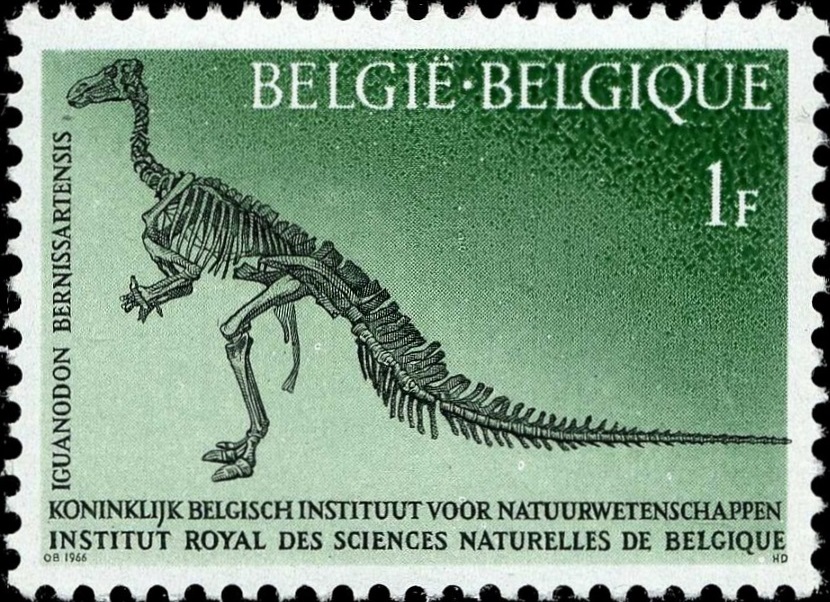 |
| Mounted skeleton of Iguanodon bernissartensis on stamps of Belgium 1966, MiNr.: 1427; Scott: 664. |
 |
| Reconstruction of Iguanodon on stamp of Cuba 1985, MiNr.: 2921; Scott: 2767. |
In 1882, the study of the Bernissart Iguanodon skeletons was entrusted to Louis Dollo (1857-1931), a French-born mining engineer who later became a Belgian citizen and devoted his entire scientific career at the Royal Museum of Natural History of Belgium to vertebrate palaeontology. Dollo became one of the pioneers of palaeobiology, expanding the scope of palaeontology beyond the description of fossil bones to investigate the biology, ecology, and behaviour of extinct animals. Based on the anatomy of the Bernissart skeletons, Dollo interpreted Iguanodon as the ecological equivalent of a giraffe. He believed that its kangaroo-like, upright posture enabled it to browse on the foliage of tall trees. According to his reconstruction, the dinosaur used its sharp, toothless beak to crop tough vegetation, while a long, muscular tongue helped draw food into the mouth, where it was processed by powerful grinding teeth before being swallowed.
Dollo's reconstruction of Iguanodon as a giant kangaroo-like dinosaur became the standard representation of the animal for more than half a century. It was further popularized by the distribution of full-size casts of the famous Bernissart skeletons to many of the world's leading natural history museums.
What we know about Iguanodon today
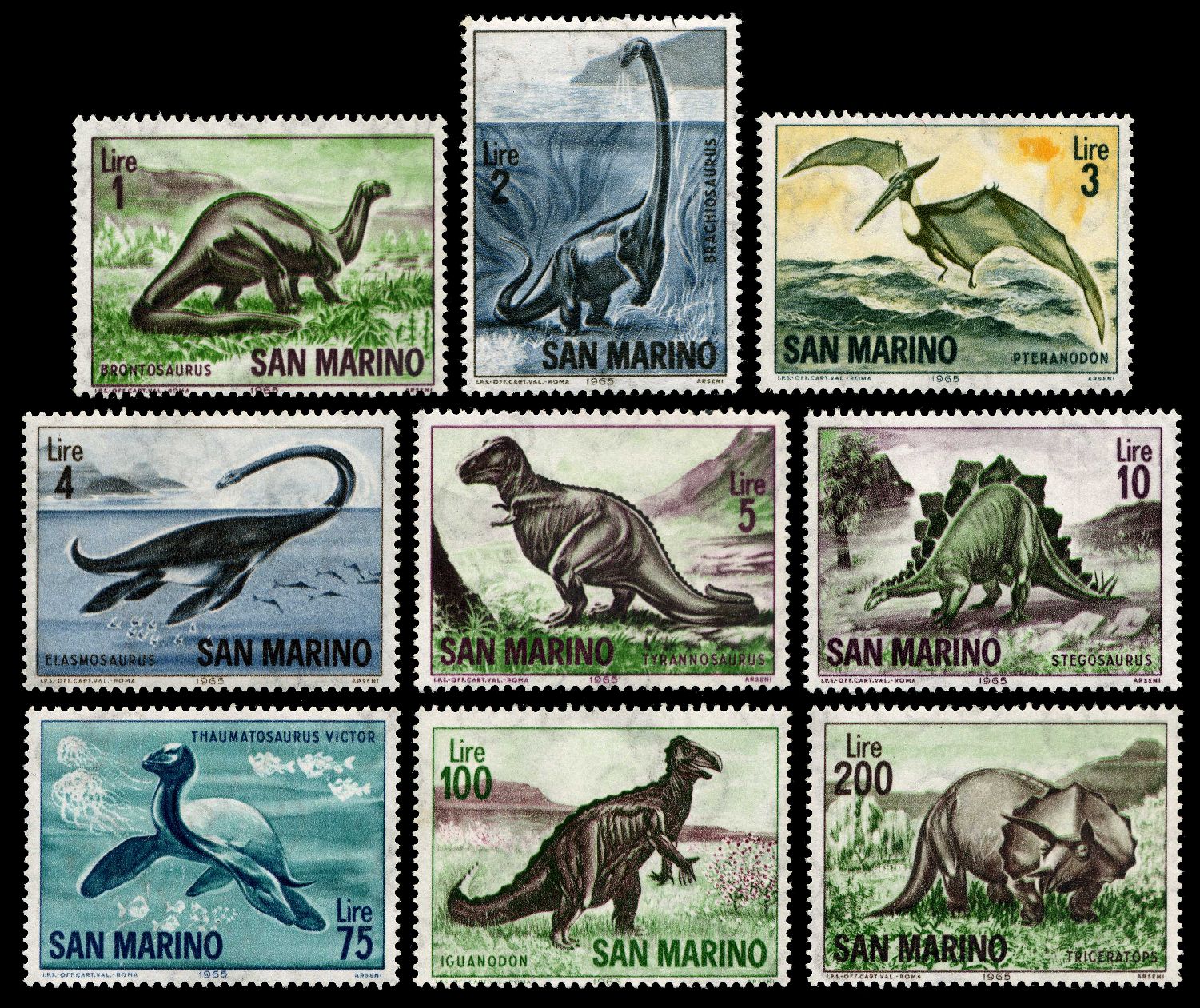
Today, hundreds of fossil bones from Belgium and other parts of Europe have shown that Iguanodon was a large herbivorous dinosaur measuring up to 10 metres in length and weighing around 4–5 tonnes. It usually walked on all fours, holding its stiff tail straight out behind it to help balance its heavy front body, but it could also stand and move on its powerful hind legs while feeding. One of its most distinctive features was the large, spike-like thumb, probably used for defence against predators or for competing with other Iguanodons. The three middle fingers formed a flexible hand capable of grasping vegetation, while the broad, beak-like mouth was well adapted for cropping plants. Although many questions about its behaviour remain, Iguanodon is now one of the best-understood dinosaurs from the Early Cretaceous.Since its first appearance on a San Marino postage stamp in 1965, as part of a set of nine stamps (100 lire), Iguanodon has been depicted on numerous postage stamps issued by countries around the world. A few examples are shown below:
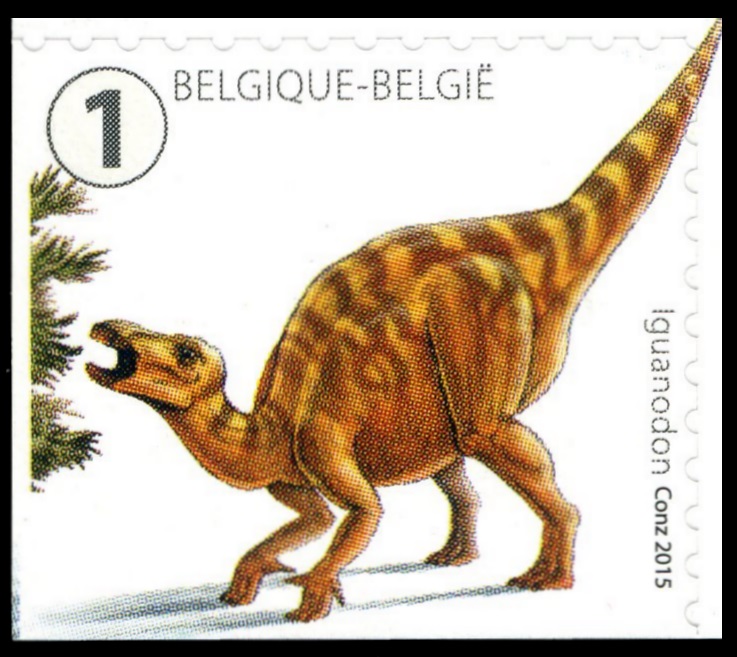 |
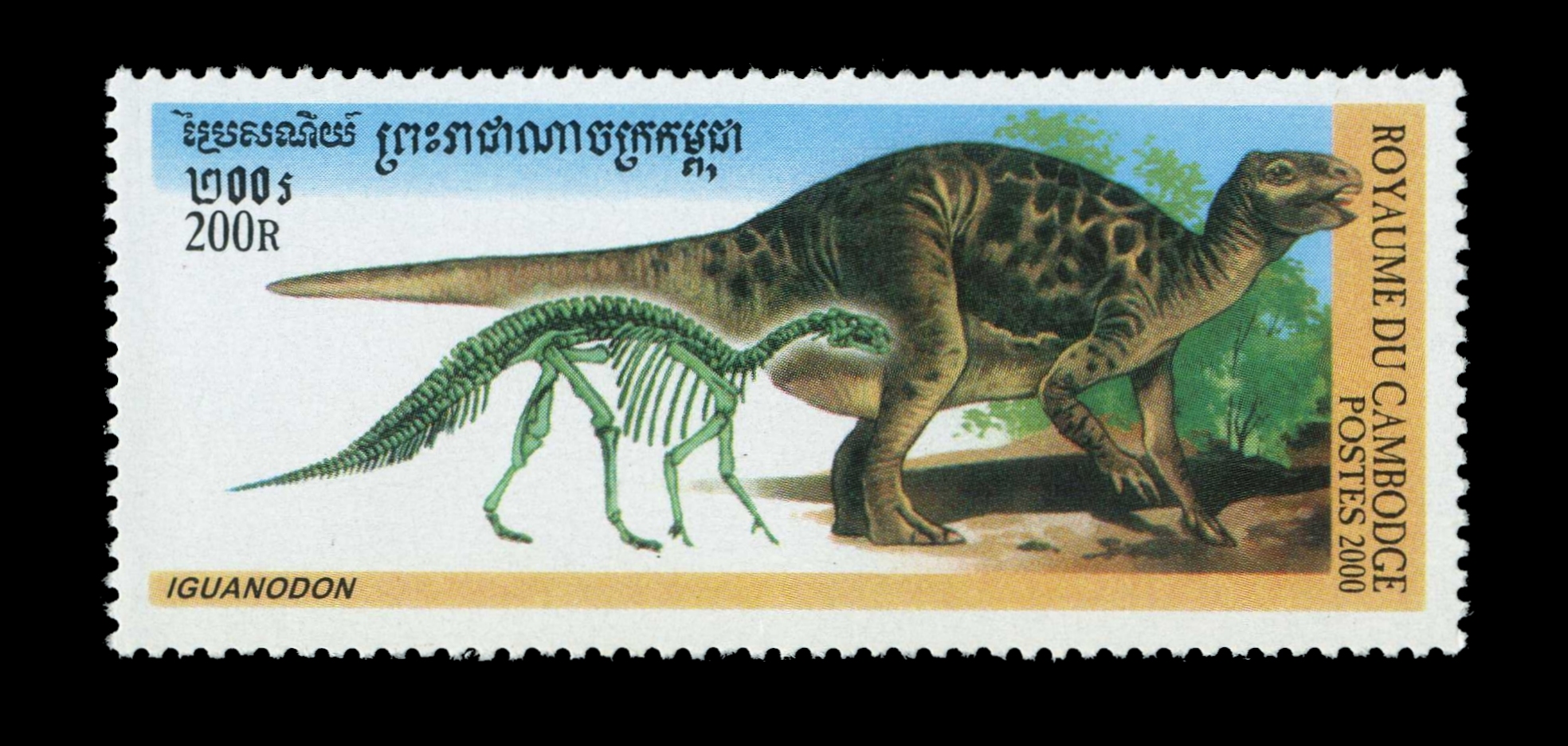 |
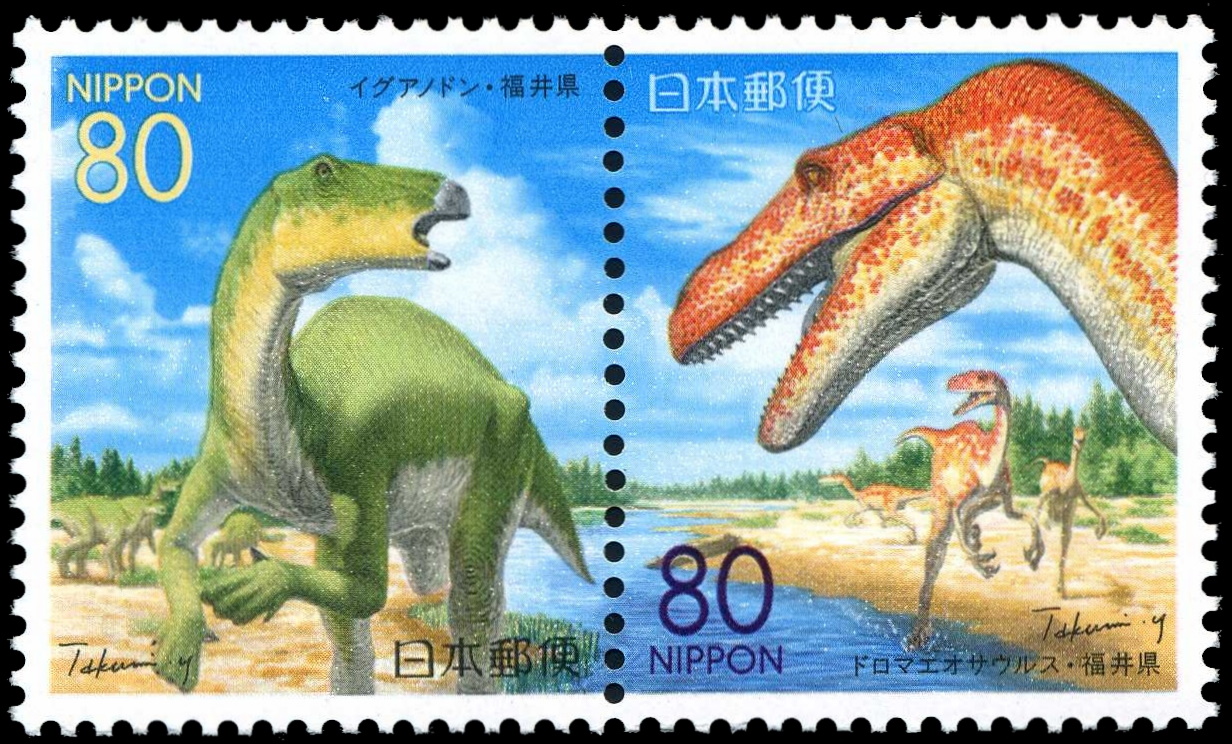 |
| Iguanodon on stamps of Belgium (2015), Cambodia (2000), and Japan (1999), showing modern scientific reconstructions of the dinosaur. Images are not shown to scale. | ||
Products and associated philatelic items
| Customized FDC | FDS (First Day Sheet) | Post Cards |
 |
 |
 |
 |
||
|

First Day Sheet (FDS) — A4 sheet printed on thick paper,
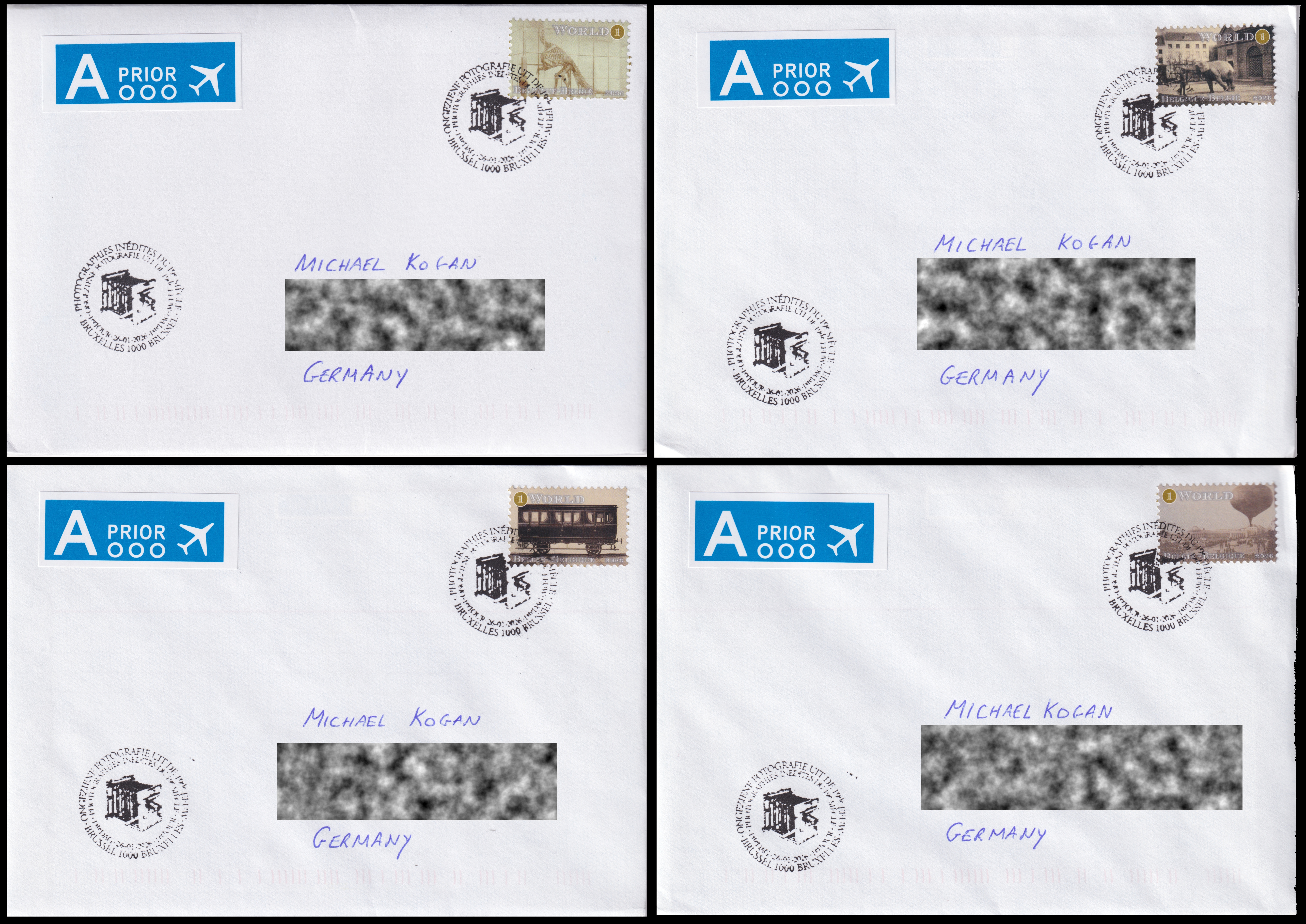
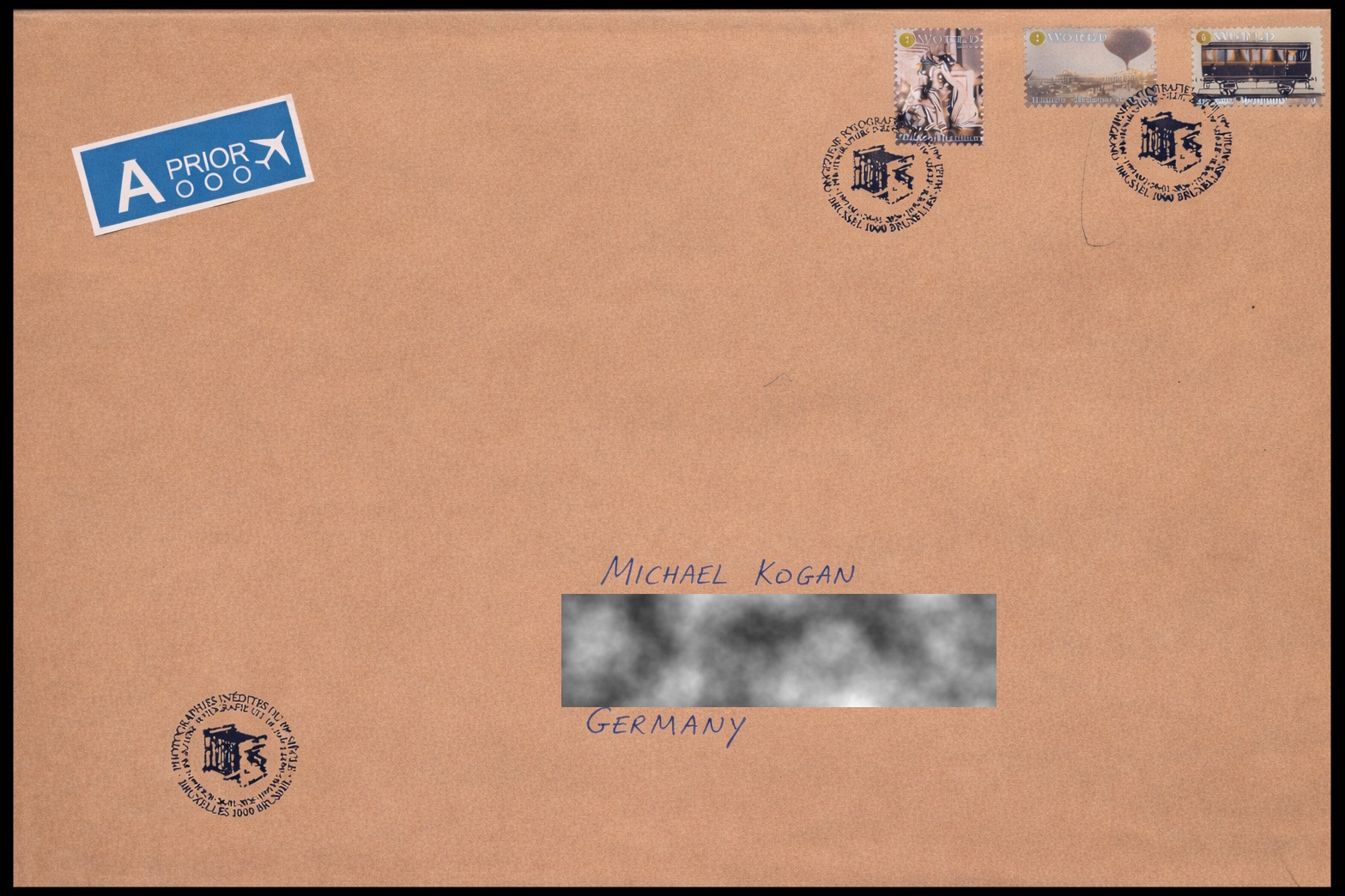
featuring background information and technical details on the reverse. The stamps on the sheet were cancelled with both First-Day-of-Issue postmarks, in French and Dutch. Official FDCs were not produced; all FDCs with these stamps are private issues. The covers shown above were postmarked and mailed on the day of the stamp issue at the Central Train Station in Brussels. Three stamps from the issue were enough to pay for a large international letter, as shown on the left. The reverse side of all postcards are identical. |
|
|
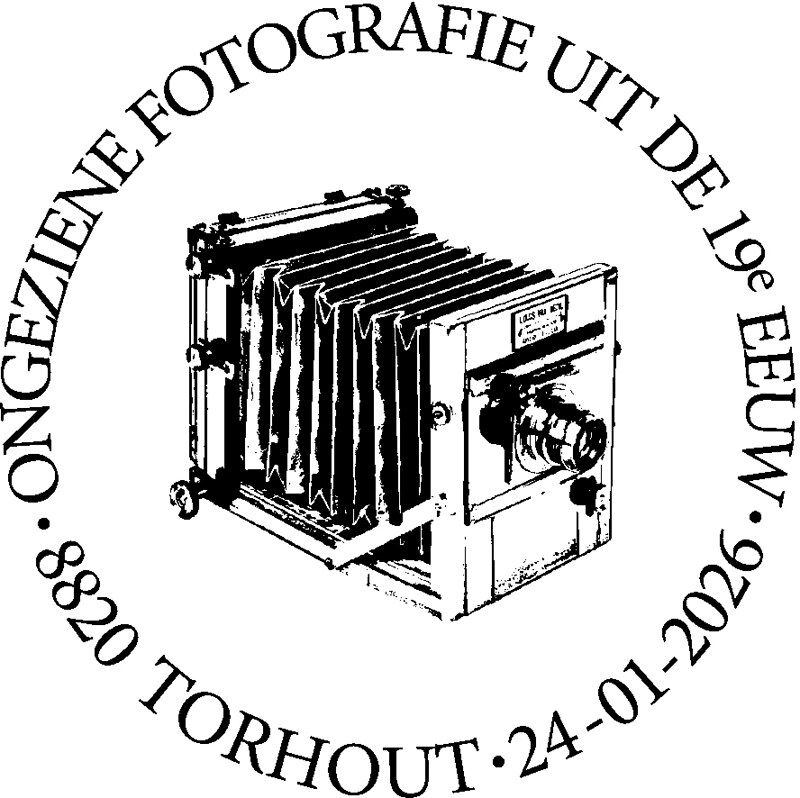
| Special Postmark | First-Day-of-Issue Postmarks | |
 |
 |
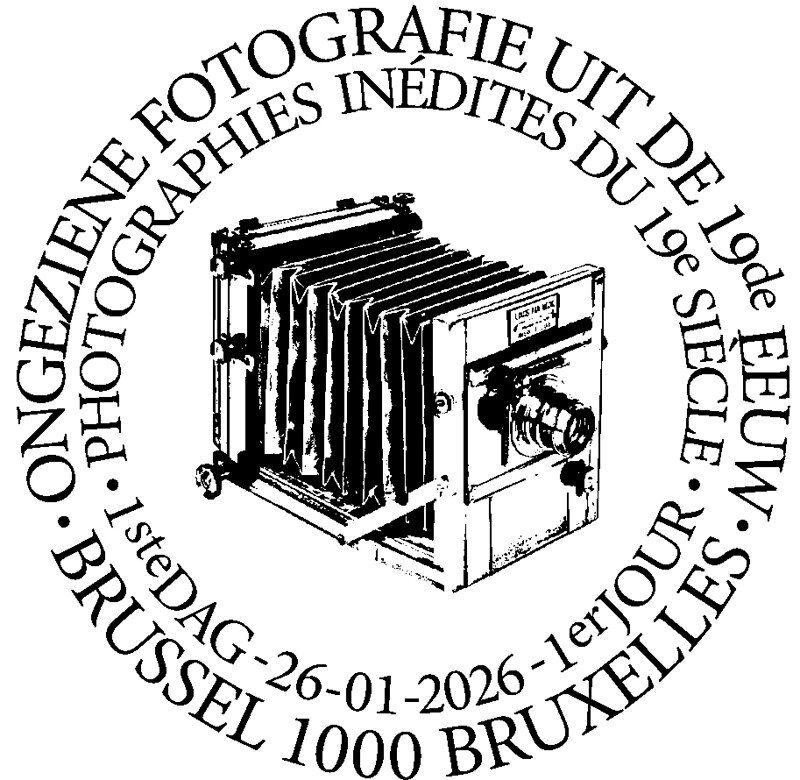 |
| Issued two days before the stamp release, on 24 January 2026, for the stamp presentation ceremony in Torhout. The text is in Dutch. | Both postmarks were released on the day of issue and were available at the post office of the Central Train Station in Brussels. They share the same design, but the text surrounding the image appears in different languages: Dutch on one and French on the other. | |
Acknowledgements
- Many thanks to Mr. Kevin Nolis, Administrator of the “Société d'Histoire Régionale de Rance – Musée du Marbre” for his help finding information about these stamps.
References
Books related to this article
- "Bernissart Dinosaurs and Early Cretaceous Terrestrial Ecosystems", by Pascal Godefroit, published in 2012, ISBN: 978-0253357212
- "Les Iguanodon de Bernissart: Des fossiles et des hommes", by Pascal Godefroit, published in 2024, in French, ISBN: 978-2803109210
- "Art and Science of the Crystal Palace Dinosaurs", by Mark P Witton and Ellinor Michel, published in 2022, ISBN: 978-0719840494
 |
 |
 |
Internet resources
- Technical details and official press release:
Bpost, Philanews 1-2026 bulletin of Bpost. - Iguanodon:
Wikipedia, - Iguanodon bernissartensis:
Wikipedia [1], [2]; https://biblio.naturalsciences.be (PDF file), Institute of Natural Sciences, Belgium, vertebres3d.fr, Steinkern (in German), show collection of postcards. - Louis Dollo:
Wikipedia - Louis-François De Pauw:
Wikipedia (in Dutch)
For more details about Iguanodon discovered in Belgium please watch the following YouTube videos.
Acknowledgements
- Many thanks to Dr. Peter Voice from Department of Geological and Environmental Sciences, Western Michigan University, for reviewing the draft page and his valuable comments.