History of paleontology in Germany
Chapter 4:
From Fossil Curiosities to Systematic Palaeontology in Germany
— 17th to 18th Centuries
The observations and collections described in the previous part provided an increasingly substantial body of evidence, but the origin and meaning of many fossil remains remained uncertain. During the late 17th and 18th centuries, naturalists in the German-speaking lands increasingly sought to interpret fossils through comparison with living organisms, anatomical study, and investigation of their geological setting.
This period marked a gradual change in emphasis. Fossils were increasingly studied not merely as curiosities or unusual natural objects, but as evidence that could help reconstruct the history of the Earth and the organisms that had lived in the past. The work of Leibniz and other naturalists helped lay the foundations for a more systematic study of fossil remains.
The Quedlinburg “Unicorn” and an Early Fossil Reconstruction in Germany (1704)
 |
|
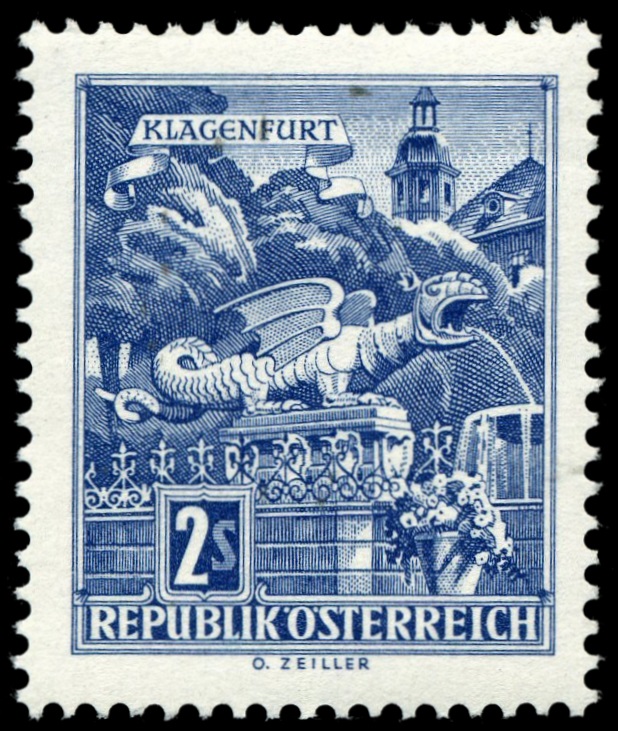
Fountain of Klagenfurt on stamp of Austria 1968 MiNr.: 1256, Scott: 696. |
In a study published in 1840, the same year that the first adhesive postage stamp, known today as the Penny Black, was issued in Great Britain, paleontologist Franz Unger (1800–1870) identified the skull as belonging to an Ice Age woolly rhinoceros, which he called Rhinoceros tichorhinus Cuvier (now Coelodonta antiquitatis), rather than to a mythical dragon.
The earliest surviving published reconstruction of a fossil animal in Germany appeared in 1704, when Michael Bernhard Valentini included a reconstruction of the Quedlinburg “unicorn” in his Museum Museorum. In the third volume, Chapter 30, entitled Von dem wahren und gegrabenen Einhorn (“On the true and fossil unicorn”), Valentini presented several forms associated with the unicorn tradition, including a reconstructed Unicornu fossile based on the remarkable fossil discovery near Quedlinburg.
Valentini identified the specimen as a Unicornu fossile and stated that the skeleton depicted had previously been found near Quedlinburg and subsequently described and illustrated by Johann Meyer, an astronomer and municipal official of Quedlinburg.
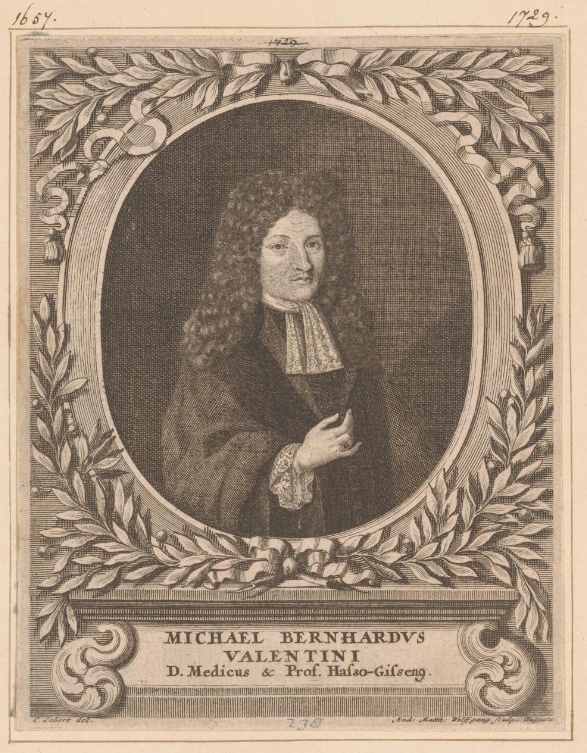 |
| Michael Bernhard Valentini, portrait engraving by Andreas Matthäus Wolfgang after Christoph Labhart, 1701. Rijksmuseum, Amsterdam, RP-P-2022-4364. Public domain. Rijksmuseum collection. |
He studied medicine at the University of Giessen and received his medical degree there in 1686. After travelling through France, the Netherlands, and England, he returned to Giessen, where he became professor of physics in 1687 and professor of medicine in 1697. He maintained extensive scholarly contacts and was a member of several learned societies, including the Academia Naturae Curiosorum (later the Leopoldina), the Berlin Academy of Sciences, and the Royal Society of London. In 1728 he was appointed imperial personal physician.
His best-known work, the extensive Museum Museorum, was first published in Frankfurt am Main in 1704 and subsequently expanded, with the final volume appearing in 1714. It brought together information on natural specimens, medicines, minerals, plants, animals, curiosities, and collections, incorporating reports and observations from scholars, physicians, travellers, and collectors. The work reflects the increasingly international exchange of natural knowledge in the late 17th and early 18th centuries.
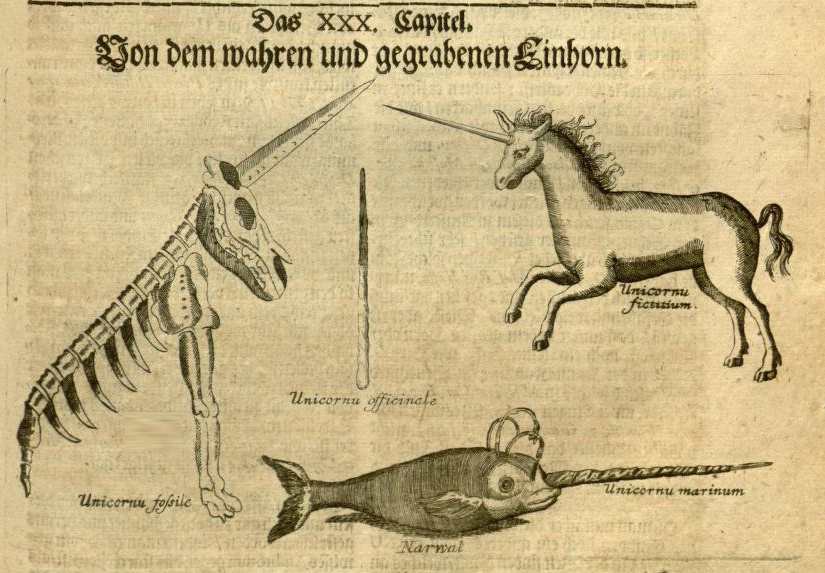 |
| Unicorns represented by Michael Bernard Valentini in Museum Museorum, published in 1704. |
- Unicornu officinale – the "medicinal unicorn horn", represented by a narwhal tusk;
- Unicornu marinum – the sea unicorn, represented by a narwhal;
- Unicornu fictitium – the fictitious unicorn, represented as the traditional horse-like animal with a single horn;
- Unicornu fossile – the fossil unicorn, represented by the reconstructed Quedlinburg skeleton.
He questions the existence of the traditional four-legged, horse-like unicorn, noting the large number of supposed "unicorn horns" found in treasuries, churches, and apothecaries despite the animal's supposed rarity. He also questions the exaggerated medicinal powers attributed to these horns, particularly their alleged ability to counteract powerful poisons.
Valentini then discusses the Unicornu fossile, describing fossil teeth and horns found in various regions, including the Harz Mountains, Hesse, the Palatinate, and Württemberg. He notes that their nature was disputed: some regarded them as petrified remains of animals or giants, while others considered them natural stone formations. Valentini mentions that Dr. Johann Bauhin supported the latter interpretation in his Tractatus de Unicornu Fossili, but leaves the question open for further investigation.
Gottfried Wilhelm Leibniz and the Changing Interpretation of Fossils (1716/1749)
In 1685, Ernst August, Duke of Brunswick-Lüneburg-Calenberg, commissioned his court historian Gottfried Wilhelm Leibniz to write a history of the House of Brunswick to advance the family's dynastic ambitions.
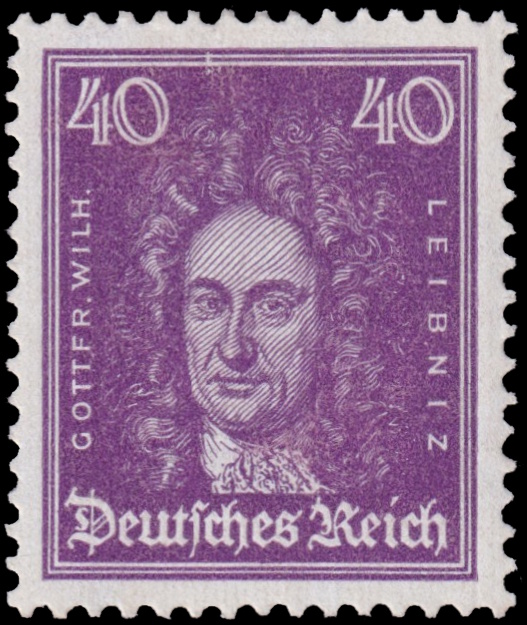 |
| Gottfried Wilhelm Leibniz on stamp of Germany 1926, MiNr: 395, Scott: 360. |
He is best known for his independent development of calculus, carried out around the same time as Isaac Newton, as well as for his contributions to logic and philosophy.
His interests, however, extended far beyond mathematics.
He was fascinated by the history of the Earth and by the evidence preserved in rocks and fossils.
He investigated minerals, geological formations, and natural processes, seeking to explain the development of the Earth through observation and reason.
In connection with this project, Leibniz expanded his studies of the natural history and geology of the region. His interest in fossils, however, dated back considerably earlier; by the late 1670s, he was already considering the origin of fossil remains. His meeting with the Danish naturalist Nicolaus Steno in 1678 also contributed to his developing interest in fossils and the geological history of the Earth.
Between 1691 and 1693, as a preface to his planned history of the House of Brunswick, Leibniz drafted Protogaea. Originally conceived as a natural history of the region around Lower Saxony, it developed into a much broader investigation of the formation and history of the Earth, including rocks, minerals, fossils, and geological processes.
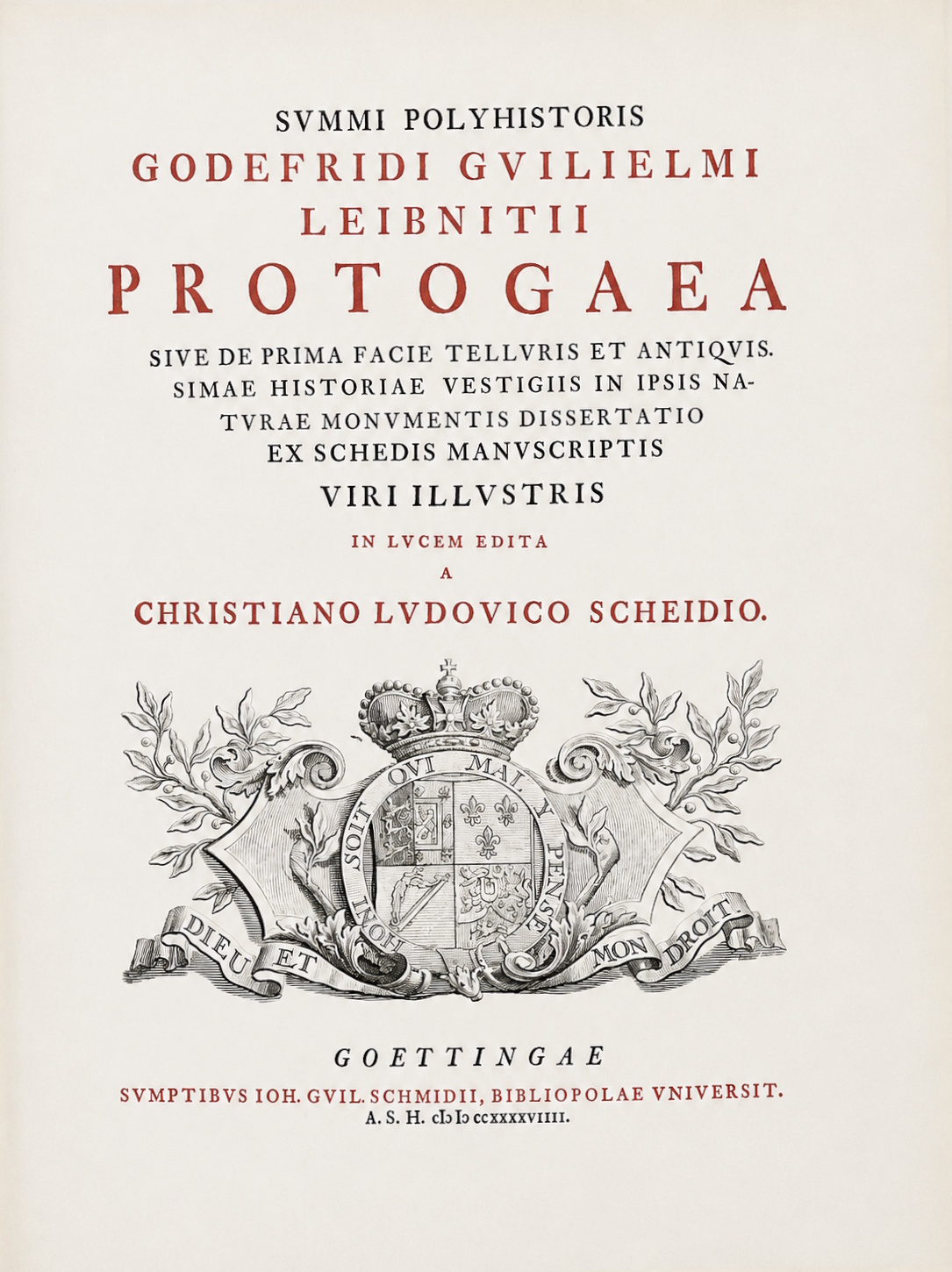 |
| Title page of the Protogaea by Gottfried Wilhelm Leibniz, written in Latin. |
Leibniz argued that many fossils were the petrified remains of actual living organisms rather than lusus naturae (“sports of nature”). A similar view had been advocated much earlier by the French naturalist Bernard Palissy in his Discours admirables (1580), in which he recognized many “petrified” objects as the remains of once-living organisms. Leibniz emphasized the striking similarity between fossils and living animals, noting that different species of fish could be recognized from their stone impressions. Fossils therefore became evidence of a buried natural history that could help reconstruct the Earth's past.
Leibniz's position on fossils had developed over time. In an earlier manuscript he had apparently questioned their organic origin, partly for theological reasons, but by the time of Protogaea he accepted the organic nature of many fossil remains. At the same time, he did not accept the transformation of one species into another. Although he considered the possibility that some creatures might have adapted to changing environments, he rejected the idea that terrestrial animals had evolved from aquatic ancestors, arguing that this conflicted with Scripture.
Leibniz also proposed that the Earth's surface had been profoundly transformed by slow natural processes. The forces operating within the Earth, together with the action of fire and water, had gradually shaped its rocks, strata, and landscapes. In this respect, Protogaea presented the Earth as a dynamic body whose present condition could be understood through its geological history.
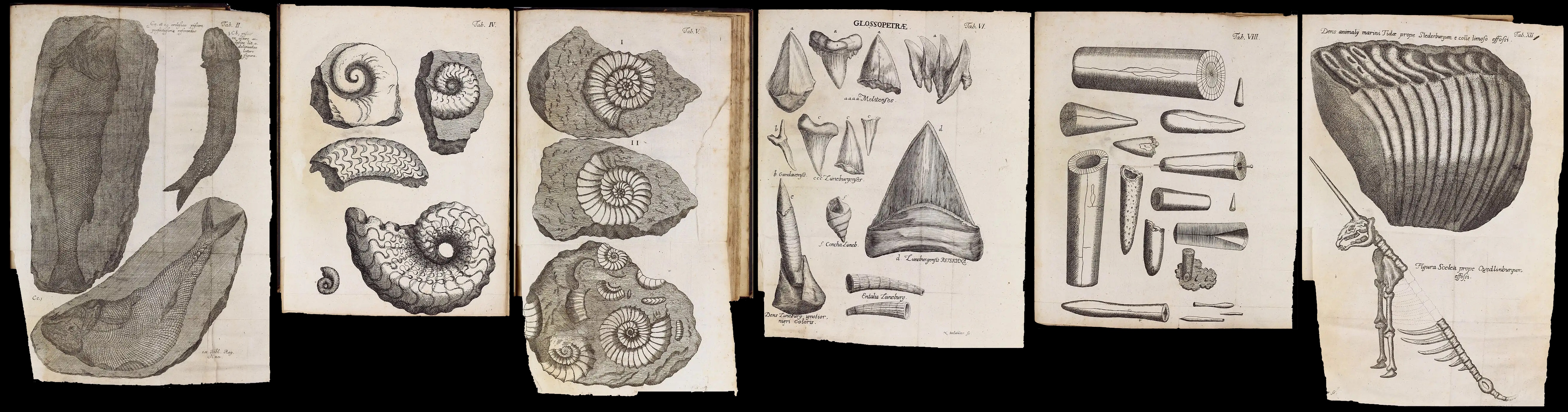
The final Plate, XII, combines two fossil subjects.
The upper image shows a mammoth molar from Thiede near Stederburg, identified in the Latin caption as Dens animalis marini Tidae prope Stederburgum e colle limoso effossi (“Tooth of a marine animal excavated from a loamy hill near Stederburg”). The reference to a “marine animal” reflects the difficulty early naturalists faced in explaining large fossil remains found far inland.
The lower image depicts the reconstructed skeleton from the Quedlinburg find, with the caption Figura Sceleti prope Qvedlinburgum effossi (“Figure of a skeleton excavated near Quedlinburg”).
Leibniz reported that he had received a written account and a drawing of the discovery and incorporated them into the manuscript. The report and original drawing appear to have originated with Johann Meyer of Quedlinburg. Leibniz and the engraver Nicolaus Seeländer later modified and completed the reconstruction. The engraving became the best-known historical representation of the Quedlinburg “unicorn”.
Modern Interpretation of the Quedlinburg “Unicorn”
 |
|
Quedlinburger Unicorn comparison of reconstructions from: (a) Valentini, 1714, (b) Leibniz 1749, (c) Rust, 2002, (and (d) new interpretation). The “Unicorn” seem to have been composed of (e,f) two different Eemian interglacial Ice Age megamammals such as the straight-tusked elephant Palaeoloxodon antiquus (“horn” = tusk), and the horses Equus ferus fossilis/przewalskii (skull, front legs, anterior vertebral column and sternal bones), which explains the “horse-like” Unicorn reconstruction. (g) Unicornus fossilis illustration as a horse-like animal with narwhale horn (from Topsell, 1658 "Courtesy of Special Collections, University of Houston Libraries. UH Digital Library") and (h) new illustration based on the reconstruction of (by George “Rinaldino” Teichmann) The figure is from Diedrich, C. G. (2021). Unicorn “holotype” skeleton from the Late Pleistocene spotted hyena den site Sewecken-Berge (Germany). Acta Zoologica, 00, 1–70. >https://doi.org/10.1111/azo.12392 |
Valentini's 1704 illustration is a raw, blocky, and direct copy of the original crude sketch by local official Johannes Meyer, serving as a simple archival record of a strange local curio. In contrast, Leibniz's 1749 plate is a highly stylized and dynamic transformation. Leibniz smoothed out the disjointed bone fragments, giving the creature a more mammalian, upright posture and a sweeping horn to present it as a cohesive, biologically plausible animal structure.
After the publication of the book, several scientists scrutinized this "Quedlinburg Unicorn" reconstruction and noted that its strange skull and fragmented bones heavily resembled those of a rhinoceros. However, because the field of historical biogeography was still in its infancy, these early researchers were at a total loss to explain how a tropical rhinoceros could have ever existed in the cold climate of Germany.
Today, paleontologists agree that the fossil skeleton is a composite created from the bones of multiple different Ice Age animals. Modern analysis demonstrates that the fossil configuration is a chimeric composite assembled from separate megafauna elements:
- The massive shoulder blades and leg bones of a woolly mammoth (Mammuthus primigenius)
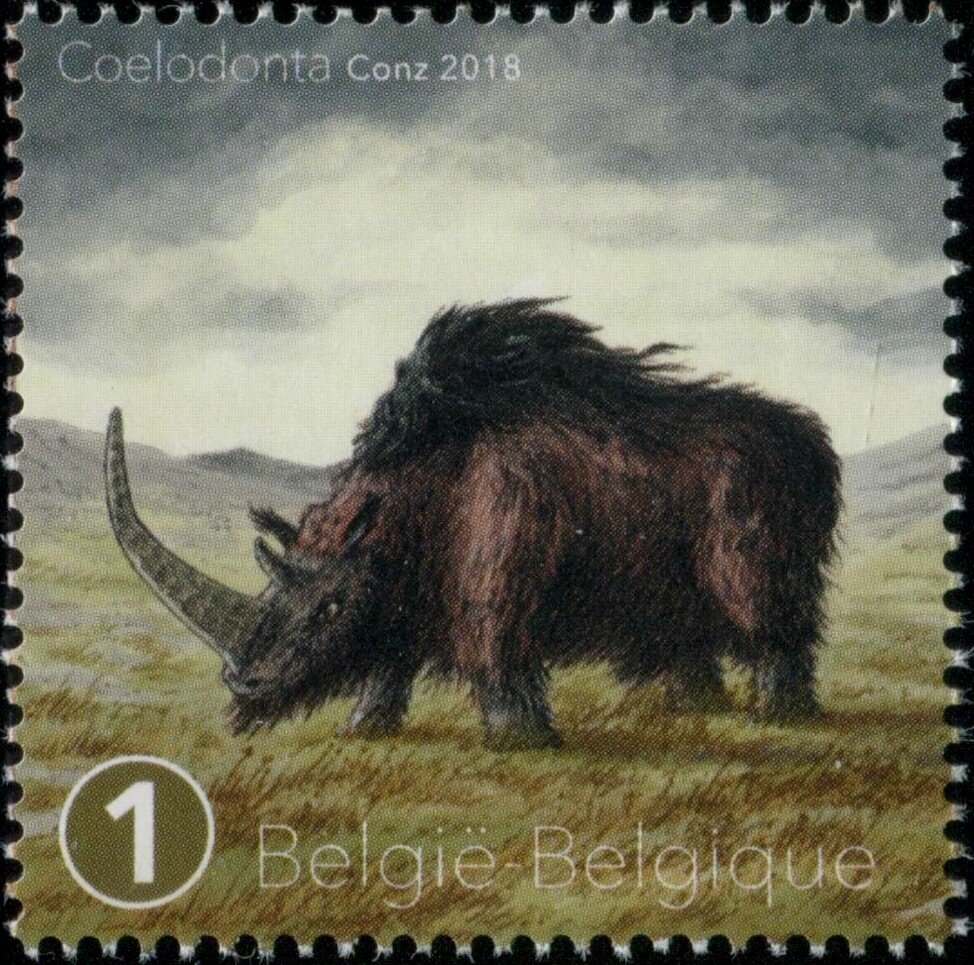
- The skull of a woolly rhinoceros (Coelodonta antiquitatis) or a horse
- The straight horn is probably a narwhal (Monodon monoceros) tusk — a young narwhal has a straight and smooth surface, without spiral grooves. Others suggest it may have been a tusk from a straight-tusked elephant, Palaeoloxodon antiquus, or even a tusk of a woolly mammoth if the tusk was broken up badly enough that the people who reassembled it had the freedom to make it any shape they wanted.
- The origins of the other unicorn bones, such as the ribs, remain unclear.
 |
 |
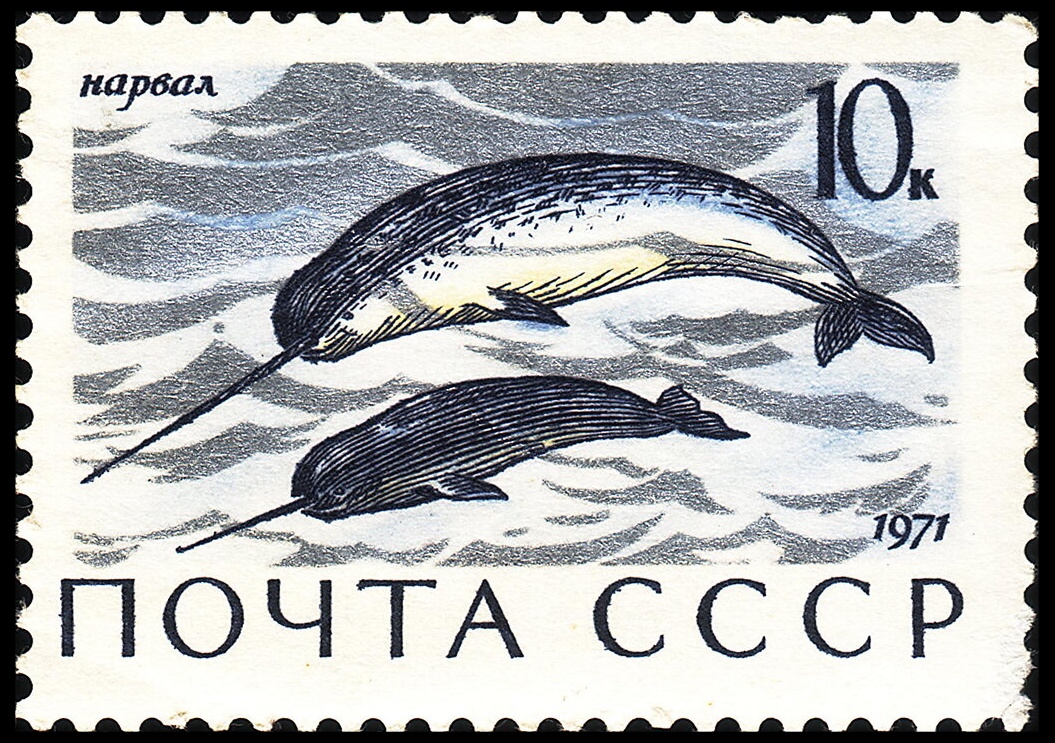 |
| Skeleton of woolly mammoth on imprinted personalized stamp of Germany 2015 | Woolly rhinoceros on stamp of Belgium 2018 | Adult and young narwhal on stamp of USSR 1971 |
Burgtonna and the Identification of Fossil Elephant Remains
By the end of the 17th century, fossil remains were increasingly being considered as possible remains of once-living organisms rather than merely as mysterious objects or curiosities. Nevertheless, scholars continued to interpret such discoveries within the intellectual and theological framework of their time. These developments helped prepare the way for the more systematic recognition of extinct animals and prehistoric worlds during the 18th century.
A significant episode in this changing interpretation came with the discovery of fossil elephant remains at Burgtonna in Thuringia in 1695.
Wilhelm Ernst Tentzel and the Comparative Study of the Burgtonna Fossils (1696)
In 1695, workers digging sand near Burgtonna unearthed the massive remains of a large prehistoric animal, including an enormous tusk measuring about 2.4 meters in length, several large molars, and numerous skeletal bones. Reflecting the popular folklore of the era, the local excavators initially misidentified the strange, tusk as the horn of a legendary "fossil unicorn" (unicornu fossile). The unusual scale of the remains immediately attracted widespread public attention.
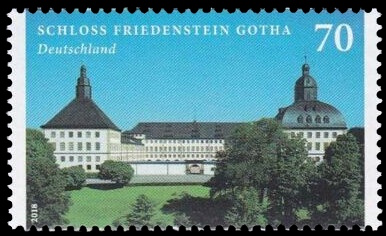 |
| Friedenstein Castle in Gotha on stamp of Germany 2018 |
Various explanations were proposed, including the possibility that they represented a biblical giant or a lusus naturae ("sport of nature"). The Collegium Medicum of Gotha became institutionalized in the debate by direct order of Duke Friedrich II of Saxe-Gotha-Altenburg. Because specialized fields like paleontology and geology did not yet exist, state-appointed medical doctors were considered the highest academic authorities on organic anatomy and chemical mineralogy. Upon learning of the bizarre discovery, the Duke ordered the massive bones to be brought to Friedenstein Castle and tasked his sovereign board of court physicians with issuing an official report.
 |
| Wilhelm Ernst Tentzel (1659-1707). |
Eager to defend the era's mainstream scientific consensus—which held that the Earth's climate had remained completely static since creation—the council aggressively rejected the notion that tropical megafauna could have ever existed in Germany. They argued instead that the bones were of mineral origin, growing directly within the soil in a manner reminiscent of the conclusions reached by Johann Lorenz Bausch in 1666, some three decades earlier.
However, Wilhelm Ernst Tentzel (1659–1707), the ducal court historiographer of Saxe-Gotha-Altenburg, approached the discovery with a more systematic method. He compared each of the fossil bones with the corresponding skeletal elements of a modern elephant, drawing on the detailed anatomical description of a living elephant published by the Irish physician and anatomist Allan Mullen in 1682, as well as the classical observations of Aristotle and Pliny, and the structural insights of modern naturalist John Ray.
 |
| Asian elephant (Elephas maximus) on stamp of Bangladesh 1977 |
The Irish physician and anatomist Allan Mullen (1653-1690) examined and dissected the carcass, making detailed observations of its skeleton and internal anatomy. His account was sent to the Royal Society and published in 1682 as An Anatomical Account of the Elephant Accidentally Burnt in Dublin. The dissection, described by the Royal College of Surgeons as the first dissection of an elephant in the British Isles, provided European scholars with an important anatomical reference for later comparisons with fossil elephant remains.
Tentzel therefore considered that the presence of an elephant in Thuringia required a general cause, which he explained through the Biblical Flood. Although this interpretation remained firmly rooted in the intellectual and theological framework of the late 17th century, his use of comparative anatomy represented an important step toward the systematic identification of fossil vertebrates.
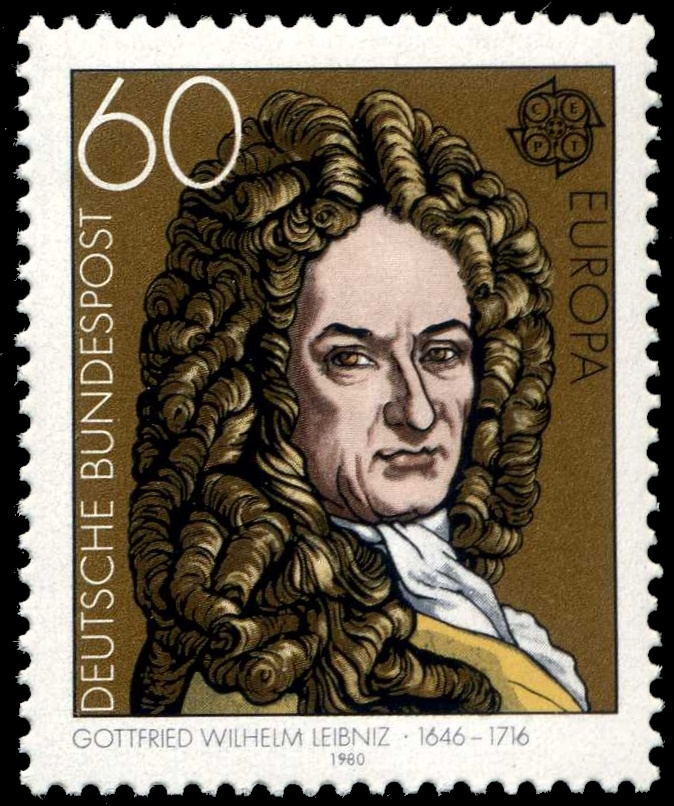 |
| Gottfried Wilhelm Leibniz on stamp of Germany 1980, MiNr: 1050, Scott: 1329. |
Tentzel's systematic methodology quickly drew the attention of Europe's learned elite,
involving Gottfried Wilhelm Leibniz directly in the international discussion
via an intense scientific correspondence.
Intrigued by the Thuringian discovery, Leibniz used Tentzel's meticulous notes to expand the
geological and biological theories he was compiling for his own treatise, Protogaea.
Remarkably, Leibniz noted to Tentzel that
"changes have taken place in the elephants themselves" —
suggesting that these ancient creatures were structurally better adapted to cold northern regions
than their modern counterparts.
This profound insight provided early hints toward evolutionary adaptation, helping Leibniz bridge
the conceptual gap between living species and the petrified monuments of nature.
 |
 |
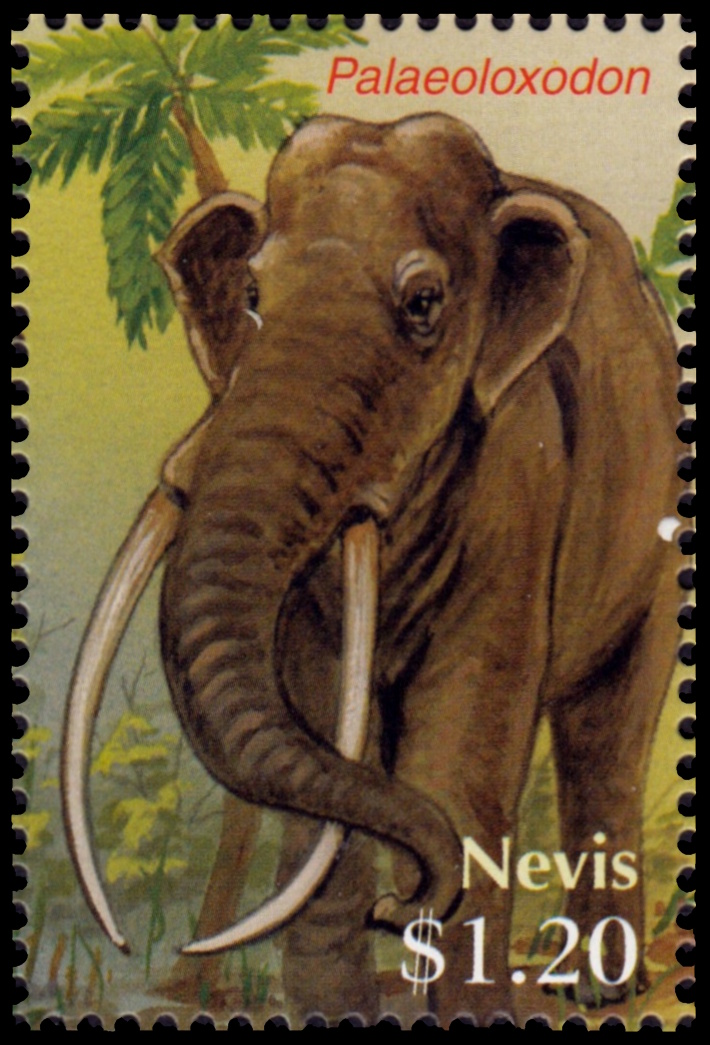
| Palaeoloxodon antiquus on stamp of Nevis 2005, MiNr: 2096, Scott: 1450c. | Woolly mammoth (Mammuthus primigenius) on stamp of Jersey 2010, with its molar on attached label |
Tentzel's interpretation was not immediately accepted, however. The controversy surrounding the Burgtonna fossils illustrates the gradual transition from traditional explanations of unusual fossil remains toward interpretations based on anatomical comparison and geological evidence.
A second elephant skeleton was discovered near Burgtonna in 1799, only about 15 metres from the site of the famous 1695–1696 discovery. The skeleton was found in a compressed and bent position and occupied approximately 6 metres. Its two tusks were about 3 metres long and had fallen from their sockets. Although much of the material was fragile and several bones crumbled during excavation, portions of the lower jaw, large molars, tusks, and other bones were preserved and carefully described. By 1799, there was no longer serious doubt that the Burgtonna remains belonged to an elephant. The principal questions had shifted to the age of the animal and its place in the history of the Earth. The Burgtonna discoveries therefore marked an important transition from identifying fossil remains to investigating their geological age and the existence of extinct species.
Recognition of other fossils as remains of once lived animals
The fossils of the Ice Age Megafauna were not the only fossils that puzzled early naturalists.
During the late 17th and early 18th centuries, other fossil remains gradually attracted attention as evidence of animals that had once lived on Earth. Their interpretation was often difficult because isolated bones and other remains could look very different from the skeletons of living animals. Careful observation, comparison with living species, and the study of fossils in their geological context gradually provided new evidence that these objects were not merely unusual products of nature, but could represent the remains of ancient organisms.
The Altdorf Vertebrae and the Interpretation of Fossil Remains (1692–1708)
 |
 |
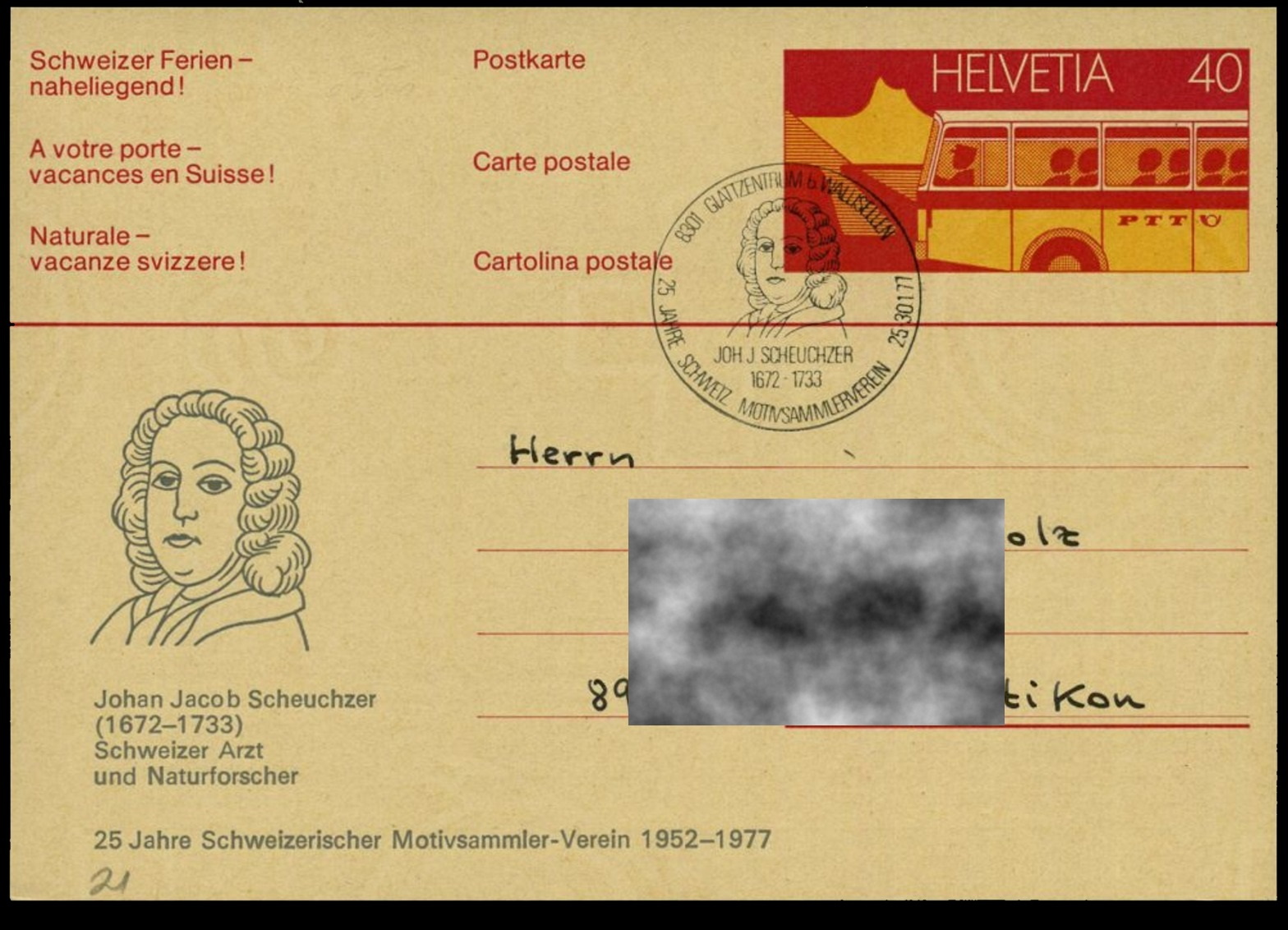
| Johann Jakob Scheuchzer on the cachet and commemorative postmark of Switzerland 1977 | Ichthyosaur vertebrae from book of Johann Jakob Scheuchzer, published in 1708. |
In his Piscium querelae et vindiciae, published in Zürich in 1708, Scheuchzer illustrated two of the vertebrae and interpreted them as fossilized human remains, associating them with the Biblical Flood.
 |
| Johann Jakob Baier (1677-1735). Image credit: Wikipedia. |
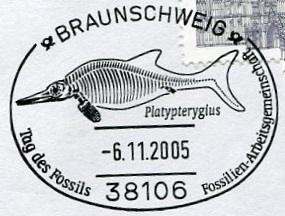 |
| Platypterygius ichthyosaur on commemorative postmark of Germany 2005 |
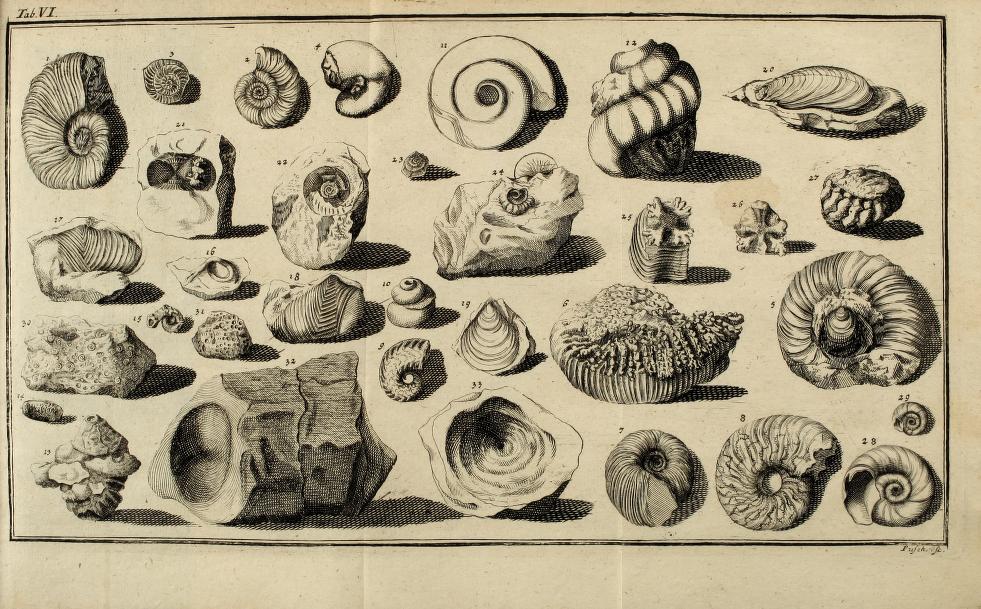 |
| Ichthyosaur vertebrae (Nr. 32, 33) from book of Johann Jakob Baier, published in 1708. |
The correspondence between Scheuchzer and Baier represents one of the earliest documented scientific debates over the origin and identity of fossil vertebrate remains. The Altdorf specimens are also among the earliest documented records of Mesozoic marine reptiles from Germany.
Georg Wolfgang Knorr and the Early Documentation of Fossils
Georg Wolfgang Knorr (1705–1761) was a German engraver, naturalist, fossil collector, and scientific illustrator from Nuremberg. His detailed illustrations of fossils, minerals, shells, and other natural objects contributed to the transition from the traditional cabinet of curiosities toward more systematic documentation of natural history specimens.
Knorr developed a particular interest in fossils and produced numerous detailed copper engravings showing their morphology and appearance. His work was closely connected with the scientific culture of eighteenth-century Nuremberg, where naturalists, collectors, physicians, and artists exchanged specimens and observations. He also worked on illustrations for Johann Jakob Scheuchzer, linking his work with the earlier tradition of documenting fossils and other natural objects.
Knorr's most important palaeontological publication was Die Naturgeschichte der Versteinerungen zur Erläuterung der Knorrischen Sammlung von Merkwürdigkeiten der Natur. The work was continued and completed after his death by the naturalist Johann Ernst Immanuel Walch and appeared in four volumes between 1755 and 1773. It contained numerous detailed illustrations of fossils and helped make fossil specimens available for comparison and study beyond individual private collections.
Knorr's illustrations included fossils from the famous Solnhofen deposits in Bavaria, providing an early visual record of one of the regions that would later become internationally important for palaeontology. His work therefore represents an important transitional stage between the collecting and illustration of fossils as curiosities and their systematic investigation as evidence of ancient life and Earth's history.
Ernst Friedrich von Schlotheim and the Systematic Study of Fossils
Ernst Friedrich von Schlotheim (1764–1832) was a German geologist and palaeontologist whose work helped establish the systematic study of fossils as a scientific discipline. Born in Altdorf near Nuremberg, he developed an early interest in natural history and geology and assembled an important collection of fossils from central Europe.
Schlotheim studied fossils not simply as isolated curiosities, but in relation to their form, occurrence, and geological setting. His investigations covered a wide range of fossil groups, including invertebrates, fossil plants, and vertebrates, and he introduced or established numerous scientific names that remained important in later palaeontological work.
His most important publication was Die Petrefactenkunde auf ihrem jetzigen Standpunkte (1820), one of the earliest comprehensive works devoted to the systematic description and classification of fossils. The book brought together observations from his own collection and from the work of other naturalists and attempted to organize fossil remains according to their morphological characteristics and geological occurrence.
Schlotheim was particularly important for the development of palaeobotany. His studies of fossil plants demonstrated that petrified plant remains could be described and classified systematically, rather than being treated merely as unusual mineral formations. His work contributed to the recognition of fossil plants as important evidence for reconstructing ancient environments and the history of life.
Although many of Schlotheim's classifications were later revised, his approach represented an important step toward modern palaeontology. By combining the description of individual specimens with their geological occurrence, he helped establish fossils as scientific evidence for reconstructing Earth's past.
By the end of the seventeenth century, fossil remains were no longer viewed only as mysterious objects or curiosities. Although scholars still interpreted them within the intellectual framework of their time, careful observation and anatomical comparison had begun to replace purely traditional explanations. These developments prepared the way for the eighteenth-century recognition of extinct species and prehistoric worlds.
Freiberg and the Emergence of Palaeontology as an Academic Subject
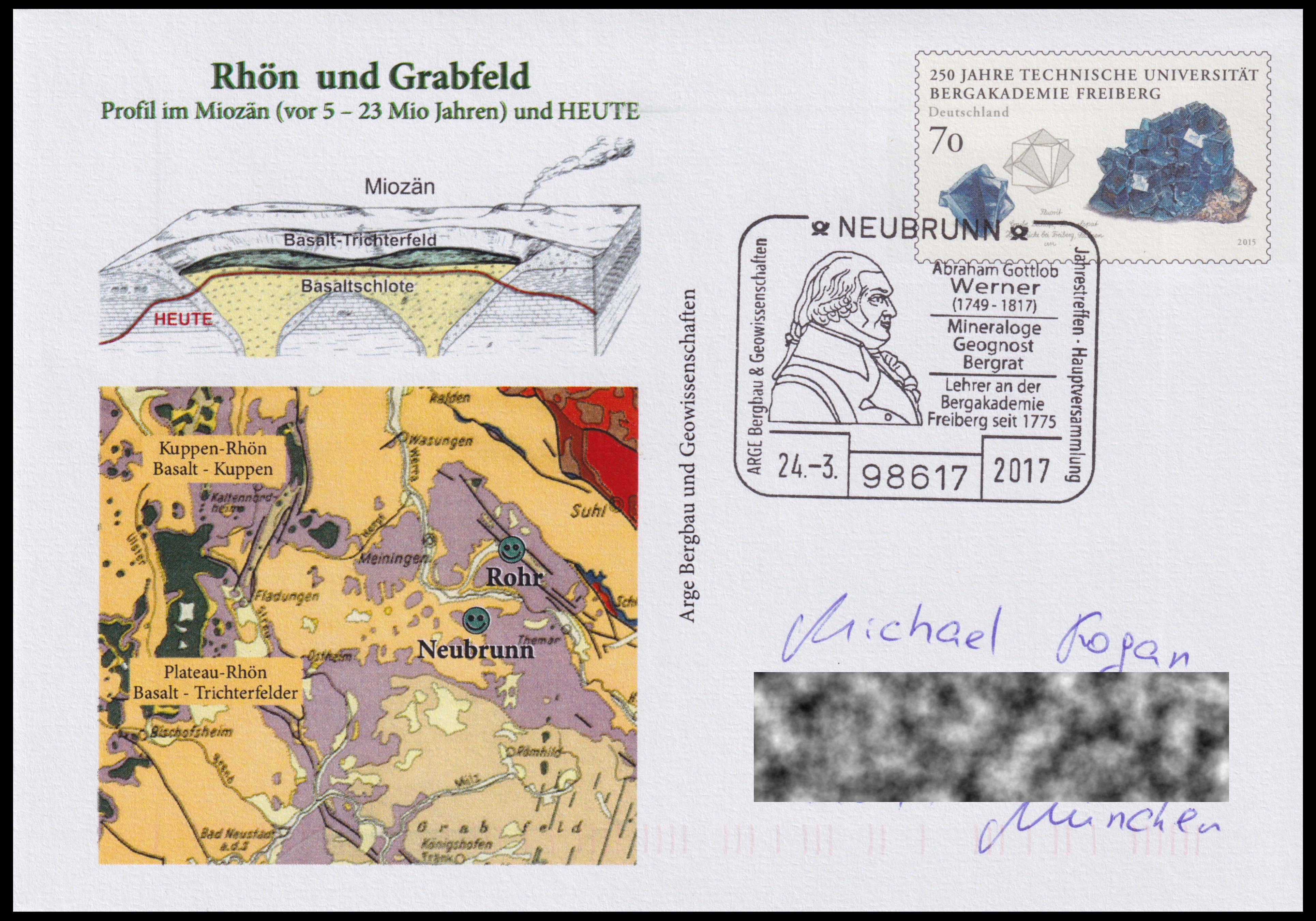
The development of palaeontology in Germany was closely connected with the growth of mining, mineralogy, and geology. An important centre in this development was the Freiberg University of Mining and Technology (Technische Universität Bergakademie Freiberg), whose origins date back to the Freiberg Mining Academy, founded on 21 November 1765 in Freiberg, Saxony.
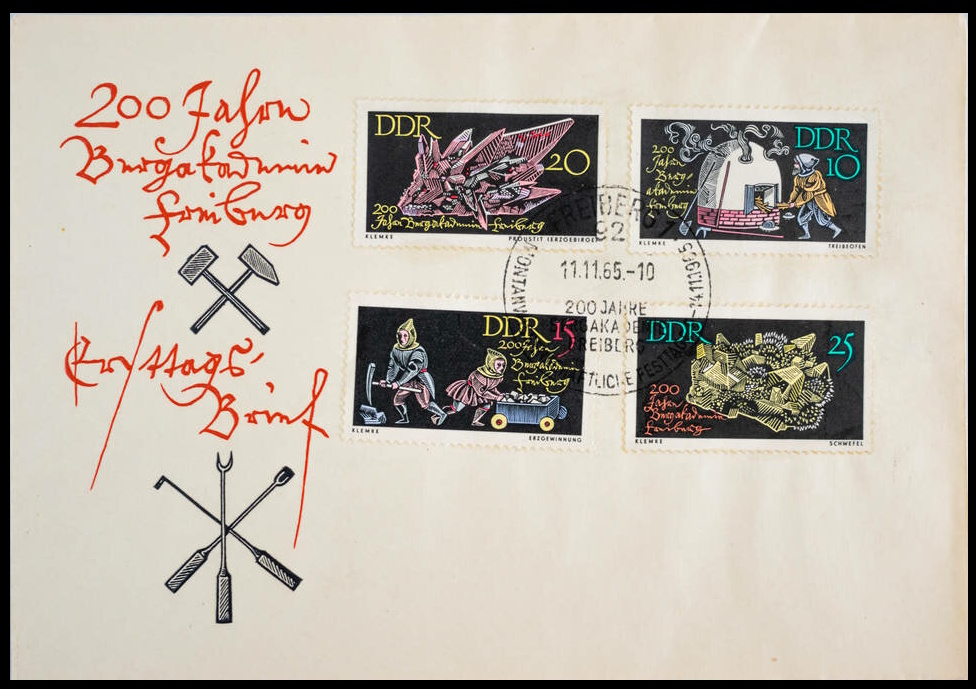 |
| The 1965 commemorative series celebrating the bicentennial (200th anniversary) of the Freiberg University of Mining and Technology (Bergakademie Freiberg) |
 |
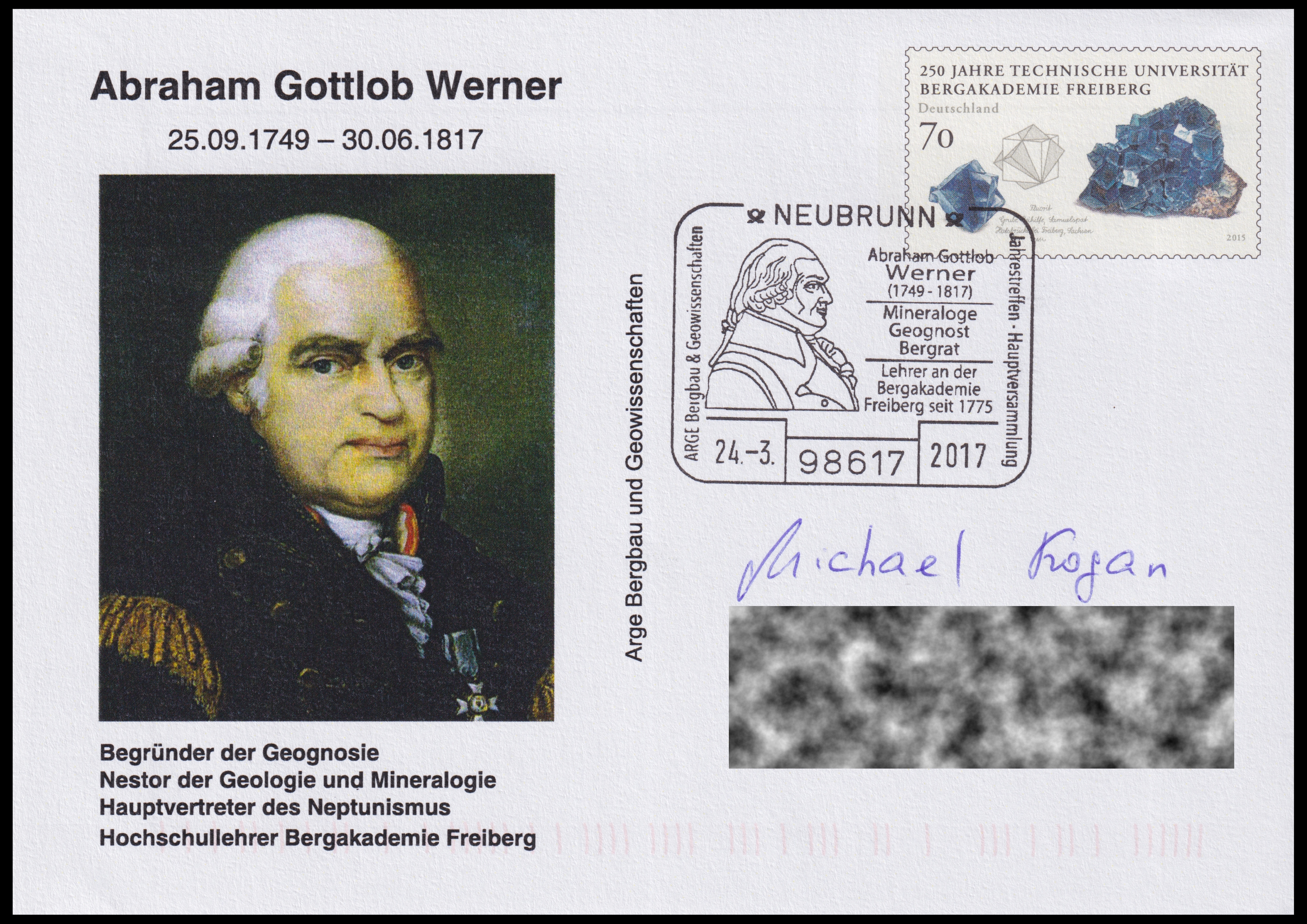 |
| Commemorative covers produced by the study group "Minning and geosciences" for their annual meeting in 2015. Abraham Gottlob Werner is shown on a commemorative postmark and a cachet of one of the cover. |
The connection between the Bergakademie and the emerging Earth sciences became particularly important through the work of Abraham Gottlob Werner (1749–1817).
Werner joined the Bergakademie as a teacher in 1775 and became one of the most influential figures in the development of mineralogy and early geology. He developed a systematic approach to the identification of minerals and to the study of the structure of the Earth's crust, a discipline that he called Geognosie.
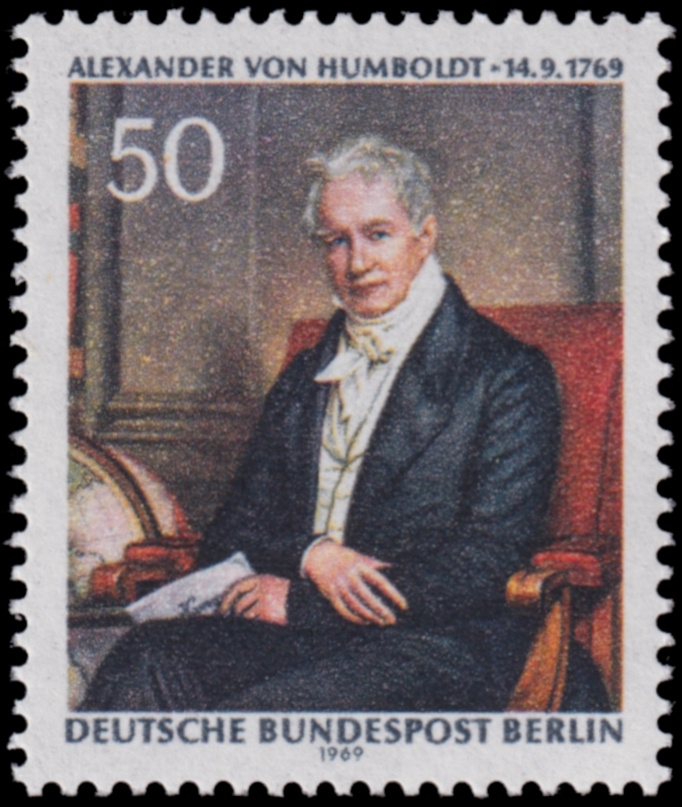 |
| Alexander von Humboldt on stamp of West Berlin 1969 |
Werner also played an important role in the emergence of palaeontology as an academic subject. In 1799, he began giving lectures on Petrefactenkunde (the study of petrifications), representing the earliest precursor to modern paleontology courses. According to the university's historical account, this was the world's first palaeontology lecture in the history of the geosciences. Werner regarded the study of fossils, which he referred to as Petrefaktologie or the study of petrifications, as a branch of his broader Geognosie. He established collections of fossil shells, corals and other fossilised remains for teaching and research.
The palaeontological collections at Freiberg had, however, begun to develop even before Werner's lectures. Their origins lie in the academic mineral cabinet and its predecessors. Among the early specimens were fossil plants from the Rotliegend of Hilbersdorf and other material that had been illustrated in the important 18th century work Die Naturgeschichte der Versteinerungen by Georg Wolfgang Knorr and Johann Ernst Immanuel Walch, published between 1755 and 1773.
The development of palaeontology at Freiberg was closely connected with the institution's broader role in geology and mining. Fossils were not studied only as evidence of ancient life; they also became increasingly useful for understanding geological strata and establishing the relative ages of sedimentary rocks. This relationship between palaeontology and stratigraphy became particularly important during the 19th century, when the identification and distribution of fossil organisms provided a means of correlating geological formations over large areas.
By the 18th century, the study of fossils in the German-speaking lands had increasingly become part of a broader investigation of the Earth's history. Naturalists compared fossil remains with living organisms, documented their geological occurrence, and developed increasingly systematic methods of classification and description. The work of scholars such as Leibniz, Tentzel, Knorr, and Schlotheim, illustrates this gradual transformation from the study of isolated curiosities toward systematic palaeontology.
At the same time, these developments took place within a much wider transformation of European thought. New approaches to observation, experiment, the history of the Earth, and the authority of traditional explanations increasingly challenged established intellectual frameworks. The Enlightenment would provide a new setting in which questions about the age of the Earth, natural history, and the relationship between scientific observation and religious doctrine could be debated more openly.
References
The "Unicorn" of Quedlinburg (The Magdeburg Unicorn)
- Wikipedia
- Natura History Museum of Magdeburg
- Philosophy Now
- LWL Landesmuseum (Das Einhorn von Quedlinburg – Zwischen Mythos und Archäologie)
- T. van Kolfschoten · A. Hesse · The Woolly Rhinoceros from Seweckenberge near Quedlinburg
- "DISCOVERING THE MAMMOTH - A Tale of Giants, Unicorns, Ivory, and the Birth of a New Science", by John J. McKay, published in 2018, ISBN: 978-1-68177-424-4. Pages 41-44.
- "Mammoth Tales" blog of John J. McKay - "Leibniz's Unicorn", from 3 June 2013
Burgtonna and Wilhelm Ernst Tentzel
- Susanne Friedrich (2025) Tentzel and the elephant in the room. Inconsistencies in the history of nature and history of humans (not) being discussed when ‘fossils’ were found in Thuringia in 1695, Annals of Science, 82:3, 351-380, DOI: 10.1080/00033790.2025.2483296
Freiberg University of Mining and Technology
Personalities mentioned in the article
|
Johann Meyer (1607–1665) Michael Bernhard Valentini (1657-1729)
|
Johann Jakob Scheuchzer (1672–1733) Johann Jakob Baier (1677–1735) |
Wilhelm Ernst Tentzel (1659–1707)
Abraham Gottlob Werner |
|
Gottfried Wilhelm Leibniz (1659–1707)
|